
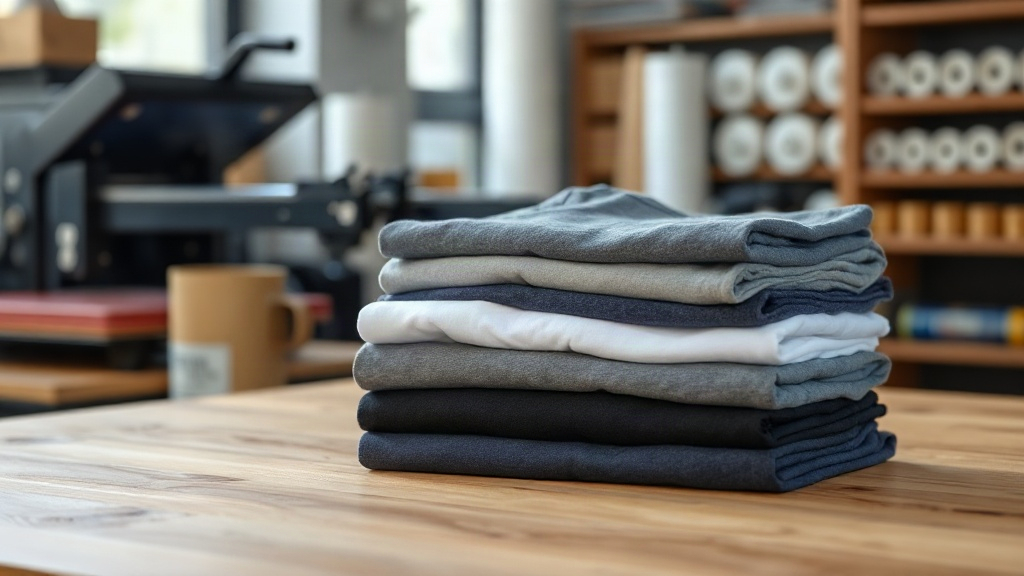
When you are running a DTF printing business, the last thing you want is a shirt that fights you. You need blanks that accept transfers cleanly, hold up wash after wash, and feel good on the customer. That is exactly why Shaka Wear has become a quiet favorite among printers who care about the final product. This Los Angeles-based brand built its reputation on heavyweight cotton and a fit that appeals to streetwear fans and everyday wearers alike. In this article, we will look at what makes Shaka Wear blanks a smart choice for DTF printing, how to get the best results with them, and what to watch out for.
Why Shaka Wear Blanks Stand Out for DTF Printing
DTF transfers need a smooth, stable surface to bond properly. A shirt with too much texture, inconsistent weave, or heavy sizing can cause the transfer to crack, peel, or look dull. Shaka Wear blanks are known for their tight knit and substantial hand feel. Most of their tees are made from 100% cotton, often in the 5.5 to 7.5 oz range, which gives the fabric enough body to support the transfer without being stiff. That weight also means the shirt does not stretch excessively during pressing, so your design stays true to size.
Another factor is the dye process. Shaka Wear uses dyes that hold up well under heat. Some cheaper blanks have a tendency to scorch or change color when you press them at 320°F for 15 seconds. In my own shop, I have pressed hundreds of Shaka Wear tees and rarely seen scorching, even on darker colors like navy or black. That consistency saves time and reduces waste, which matters when you are fulfilling bulk orders.
Fabric Weight and Weave
Not all Shaka Wear styles are the same. The classic Shaka Wear Max Heavyweight is a 7.5 oz beast, while the Shaka Wear Drop Shoulder is a lighter 5.5 oz. For DTF, heavier is usually easier because the fabric does not shift as much. But lighter weights can work if you adjust your press settings. The weave on all their tees is dense enough that the transfer sits on top rather than sinking in. That means you get vibrant colors and fine detail, even with small text.
Size and Color Consistency
If you have ever ordered a case of blanks only to find that the medium fits like a small and the large fits like a tent, you know the pain. Shaka Wear has a reputation for consistent sizing across production runs. Their size charts are accurate, and the cut does not vary much from color to color. That reliability is crucial when you are printing uniforms or team gear. You can order the same style in multiple colors and trust that the fit will be uniform. Plus, their color palette includes the staples: black, white, navy, red, heather grey, and a range of trendy tones like sage and mauve.
How to Get the Best DTF Results on Shaka Wear Shirts
Even the best blank can produce a bad print if you skip the basics. Here is a simple workflow that I use for Shaka Wear tees, and it has given me consistent results.
- Pre-press the shirt. This removes moisture and wrinkles. Set your press to 320°F and press for 5 to 7 seconds. If you skip this, moisture can turn to steam and ruin the transfer.
- Position your transfer. Use a ruler or a placement guide. For adult tees, the standard is 2 to 3 inches below the collar. For Shaka Wear drop shoulder styles, you might need to go a bit lower because the neckline sits differently.
- Press with medium pressure. You want the transfer to adhere evenly without squashing the fabric. Too much pressure can cause the adhesive to bleed, while too little leaves edges lifting.
- Peel while hot or cold? Most DTF films today are hot peel, but check your film's instructions. With Shaka Wear, I have found that a hot peel gives a slightly softer hand, while a cold peel can leave a glossier finish. Test both and see what your customers prefer.
- Post-press for durability. After peeling, cover the design with a Teflon sheet or parchment paper and press again for 5 to 10 seconds. This step is often skipped, but it makes a big difference in washability.
One more tip: if you are printing on dark Shaka Wear shirts, use a transfer with a white underbase. DTF prints on dark colors can look muted without that base layer. Most DTF suppliers offer a double-layer option, or you can layer two transfers. Just be careful not to over-press, or the design will feel like plastic.
Common Mistakes to Avoid with Shaka Wear Blanks
Even experienced printers run into issues. Here are a few pitfalls I have seen and how to avoid them.
- Using too much heat. Shaka Wear cotton can handle heat, but if you go above 350°F, you risk scorching, especially on lighter colors. Stick to the recommended temperature for your film.
- Stretching the shirt during pressing. If you pull the fabric while it is hot, you can distort the weave and cause the transfer to crack later. Let the shirt cool completely before moving it.
- Ignoring the fabric softener. Some Shaka Wear tees come with a softener finish. While this feels nice, it can interfere with adhesion. A quick pre-press usually burns off any residue, but if you notice the transfer not sticking, try wiping the area with a lint-free cloth and a bit of rubbing alcohol.
- Not testing first. Always run a test print on a scrap piece of the same fabric. Shaka Wear has several different lines, and what works on the heavyweight might not work on the triblend. A test saves you from ruining a whole order.
Where Shaka Wear Fits in Your Product Line
If you are building a catalog for your DTF business, Shaka Wear can serve a few different customer segments. Their heavyweight tees appeal to streetwear and skate brands that want a boxy, durable fit. The drop shoulder styles are popular with the younger crowd and work well for oversized prints. And their basic crew necks are a solid choice for corporate events, family reunions, or team uniforms where you need a reliable, affordable option.
Because Shaka Wear is not as ubiquitous as some big-box blank brands, you can also position your prints as more unique. Customers who know clothing will recognize the quality, and that can justify a slightly higher price point. It is a win-win: you get a blank that prints well, and your customer gets a shirt they will actually wear.
Frequently Asked Questions About Shaka Wear and DTF Printing
Is Shaka Wear good for DTF printing?
Yes, Shaka Wear is an excellent choice for DTF printing. Their cotton fabrics are tightly woven and hold up well under heat, which helps transfers adhere smoothly and last through many washes. The heavyweight options are especially forgiving for beginners.
What temperature should I use to press DTF transfers on Shaka Wear shirts?
Most DTF films recommend 300°F to 320°F for 10 to 15 seconds. Start at 320°F with medium pressure. If you notice scorching, lower the temperature slightly. Always pre-press the shirt for 5 to 7 seconds to remove moisture.
Do Shaka Wear shirts shrink after washing?
Shaka Wear tees are typically pre-shrunk, but you may still see minimal shrinkage (around 2-3%) if you wash in hot water and dry on high heat. To minimize shrinkage, wash cold and tumble dry low. This also helps the DTF print last longer.
Can I use DTF on Shaka Wear triblend shirts?
Yes, but triblends contain rayon and polyester, which can affect adhesion. You may need to adjust your press settings: lower temperature (around 280°F to 300°F) and slightly longer pressing time. Always test first, as triblends can scorch more easily than 100% cotton.
Where can I buy Shaka Wear blanks for my printing business?
You can find Shaka Wear blanks through various wholesale distributors and online retailers. Look for suppliers that offer bulk pricing and consistent stock. Some local garment districts also carry them, which can save on shipping if you are in a major city.