
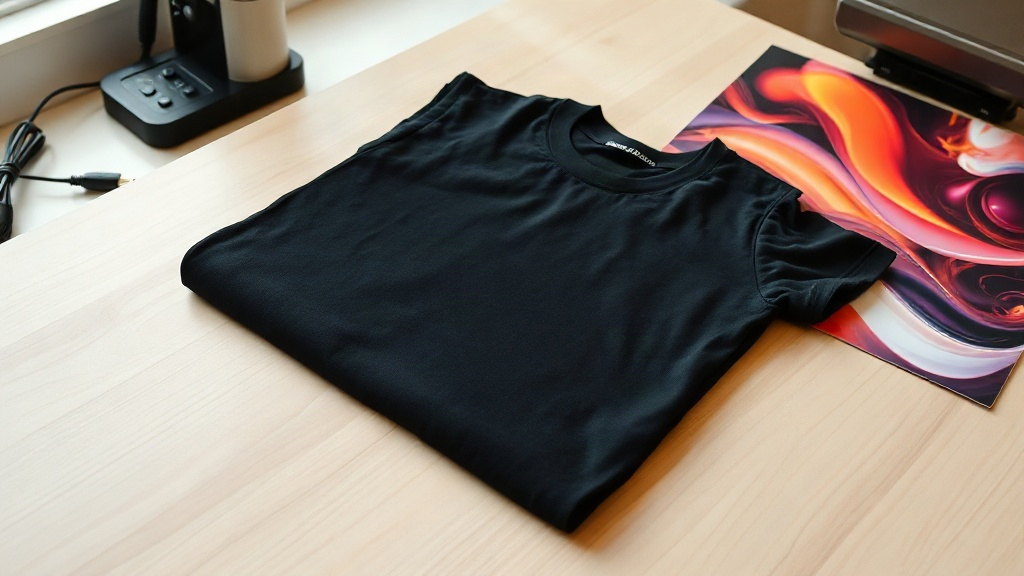
When you pull a fresh shirt off the press, the last thing you want is a print that feels like a plastic sticker. The blank you choose makes or breaks that final result, and if you have spent any time in the custom apparel world, you have probably heard the name Shaka Wear. These blanks have built a quiet reputation among printers, skate brands, and streetwear labels for holding ink beautifully and feeling broken-in from day one. But what exactly makes them different from the generic tee you can grab anywhere? More importantly, how do you pair them with direct-to-film (DTF) printing to get a finished product that looks professional and survives real life?
In this guide, we will walk through what sets Shaka Wear apart, how their fabrics interact with DTF transfers, and the practical choices that separate a print that cracks after three washes from one that stays crisp for years.
What Makes Shaka Wear Blanks Different?
Shaka Wear started as a brand rooted in street culture, and that DNA shows in their blanks. They are not trying to be a budget undershirt. The typical Shaka Wear tee has a heavier hand, a boxier cut, and a attention to detail that appeals to people who actually wear what they print. You will notice the difference the moment you touch one: the fabric has weight without being stiff, and the stitching around the collar and hems holds up to repeated wear.
For printers, the key features are the fabric composition and the surface texture. Most Shaka Wear styles are 100% cotton or a cotton-poly blend, with a smooth, tight knit that gives DTF transfers a clean landing zone. A rough, slubby fabric can cause a transfer to look patchy or feel raised, but a tight knit lets the adhesive and ink sit flush against the surface. That is a big deal when you are producing dozens or hundreds of pieces and cannot afford inconsistent results.
Fabric Options and Their Print Behavior
Shaka Wear offers a range of fabric weights, and each one behaves a little differently under a heat press. Here is a quick breakdown of what you will commonly find:
- 100% Cotton (5.5 oz and up): The classic choice for DTF. Cotton takes the adhesive well, and the print feels soft after a proper press. It does have some shrinkage, so pre-shrinking or accounting for it in sizing is wise.
- Cotton/Poly Blends (50/50 or 60/40): These resist shrinkage and hold color longer, but the polyester content means you need to dial in your press temperature. Too hot, and the fabric can glaze or the print can look dull.
- Tri-Blend (cotton/poly/rayon): Incredibly soft, but the rayon can make the surface slightly more delicate. Use lower pressure and a slightly lower temperature to avoid scorching.
If you are new to DTF, start with a 100% cotton Shaka Wear tee. It is the most forgiving and gives you a baseline for how the transfer should look and feel. Once you are comfortable, experiment with blends to see how they change the final drape and print vibrancy.
Why Shaka Wear Works Well with DTF Printing
DTF printing has exploded in popularity because it works on almost any fabric, requires no weeding, and produces full-color images with fine detail. But not every blank is a perfect match. Shaka Wear happens to check several boxes that make DTF look its best.
First, the surface is smooth. DTF transfers rely on a powdered adhesive that melts into the fabric fibers. On a smooth, tightly knit surface, that adhesive bonds evenly, which means less peeling and cracking. Second, the fabric holds its shape. Cheaper blanks can stretch out after a few wears, and when the fabric stretches, the print stretches with it, leading to hairline cracks. Shaka Wear tees tend to keep their structure, so the print stays intact.
Third, the color of the blank matters. DTF prints are opaque, but a white underbase is often used to make colors pop. On a light-colored Shaka Wear tee, you can sometimes skip the underbase for a softer feel, though a underbase still helps with durability. On dark colors, the white layer is essential, and the tight weave prevents the white from looking splotchy.
Choosing the Right Shaka Wear Style for Your Project
Not all Shaka Wear blanks are created equal. The style you pick should match the vibe of your design and the end use. Here are a few common scenarios:
- Streetwear and skate brands: Go for the heavier weight tees with a boxy fit. The structured drape complements bold graphics and large back prints.
- Corporate or event merch: A lighter-weight cotton or blend in a classic fit feels more polished and is easier to size across a wide group.
- Vintage or fashion pieces: Tri-blend Shaka Wear styles give that soft, worn-in look that pairs well with muted or distressed designs.
Also consider the neckline. Crew necks are the default, but Shaka Wear also offers V-necks and tank tops. If your design has a lot of detail near the collar, a V-neck can frame it nicely, while a crew neck offers more printable area.
Getting the Best DTF Results on Shaka Wear
Even with a great blank, the final quality depends on your press settings and technique. Here are practical tips that come from real production runs, not just theory.
Temperature, Pressure, and Time
DTF transfers typically require a temperature between 300°F and 320°F (150°C to 160°C). For Shaka Wear cotton, start at 310°F for 10 to 15 seconds with medium pressure. If you are using a blend, drop the temperature by 10 degrees and reduce pressure slightly to avoid scorching the polyester. Always test on a scrap piece first, because every heat press runs a little differently.
Pre-Pressing Matters
Before you lay down the transfer, give the shirt a quick pre-press for 3 to 5 seconds. This removes moisture and wrinkles, and it helps the fabric shrink slightly so the print does not pucker later. It is a small step that makes a noticeable difference in how the final print sits.
Peeling and Finishing
After pressing, let the transfer cool completely before peeling the film. If you peel while it is hot, the adhesive can string or pull away from the fabric. Once peeled, a second press for 5 seconds with a cover sheet (like parchment paper) helps the print settle into the fibers for a softer hand and better wash durability.
Common Mistakes to Avoid with Shaka Wear and DTF
Even experienced printers run into issues. Here are the ones we see most often, and how to sidestep them.
- Using too much pressure: This can flatten the fabric and cause the print to look shiny or feel stiff. Medium pressure is usually enough.
- Skipping the pre-press: Moisture is the enemy of DTF adhesion. Always pre-press.
- Pressing on a hard surface: A heat press with a foam or rubber pad underneath gives the fabric some give, which helps the transfer wrap around the fibers instead of sitting on top.
- Ignoring fabric content: A 100% cotton Shaka Wear tee and a 50/50 blend need different settings. Treat them accordingly.
Another mistake is not washing a test piece. Before you commit to a full run, print one shirt, wash it inside out in cold water, and tumble dry low. That tells you more about durability than any spec sheet.
Frequently Asked Questions
Can I use DTF printing on all Shaka Wear fabrics?
Yes, DTF works on cotton, cotton-poly blends, and tri-blends. The key is adjusting your press temperature and pressure for each fabric type. Cotton tolerates higher heat, while blends and tri-blends need a gentler approach to avoid scorching or dulling the print.
How do I prevent cracking on Shaka Wear tees after washing?
Cracking usually comes from under-pressing or over-stretching the fabric. Make sure you press at the correct temperature for the full time, use medium pressure, and let the transfer cool before peeling. Also, wash the garment inside out in cold water and avoid high heat in the dryer.
Is Shaka Wear true to size for unisex styles?
Shaka Wear unisex tees tend to run slightly larger than standard retail brands, with a boxier fit. If your audience prefers a slimmer look, consider sizing down or choosing a women's cut if available. Always check the specific style's size chart before ordering in bulk.
What is the best Shaka Wear style for a first DTF project?
A 100% cotton crew neck in a mid-weight (around 5.5 oz) is the most forgiving. It takes the transfer well, feels familiar to most wearers, and gives you a reliable baseline to learn your press settings before moving on to blends or tri-blends.
Do I need a special transfer for dark Shaka Wear shirts?
No, but you do need a DTF transfer with a white underbase. Most DTF films already include a white layer, which allows the colors to show up vividly on dark fabrics. Without it, the print would look faded or translucent.
At the end of the day, the blank is the foundation of every custom piece. Shaka Wear offers a combination of durability, comfort, and print-friendly surfaces that make it a smart choice for anyone serious about DTF. Take the time to test, dial in your settings, and you will end up with apparel that looks good and lasts.