
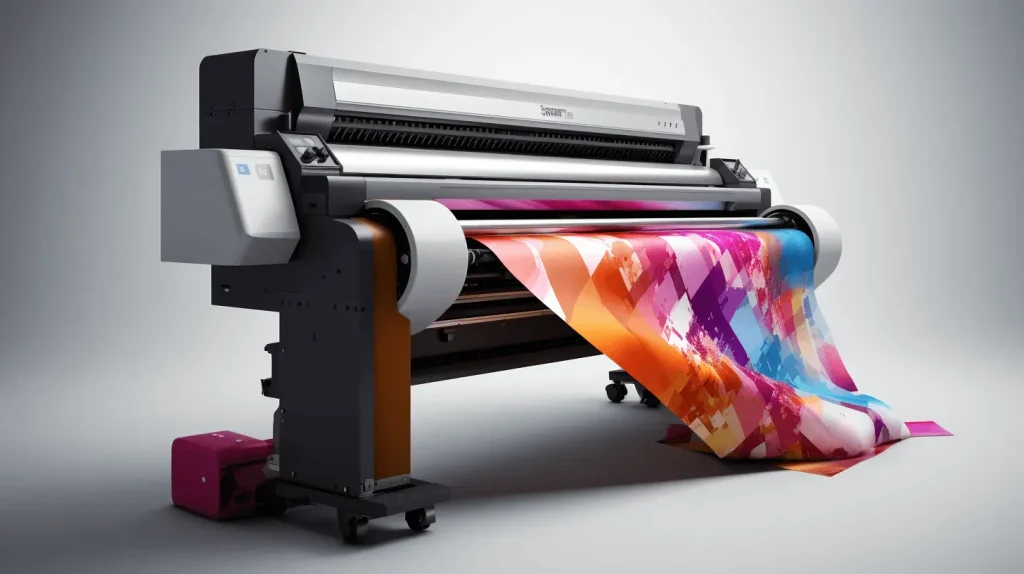
DTF printing, or Direct-to-Film printing, is revolutionizing the garment printing industry by providing an innovative method for transferring intricate designs onto fabrics. This advanced printing technology employs a process where high-resolution artwork is printed onto a specialized film, enabling vibrant and durable prints that cater to various materials, including cotton and polyester. One of the standout DTF printing benefits is its versatility, allowing businesses to create custom apparel with stunning color accuracy and detail. In addition, DTF printing offers significant cost savings over traditional techniques, making it an attractive option for small businesses and creative entrepreneurs alike. With the growing popularity of personalization in fashion, understanding DTF is essential for anyone looking to thrive in the fast-paced world of textile printing.
When discussing Direct-to-Film technology, it’s important to consider its impact on the textile and apparel sector. Often referred to as DTF or Direct-to-Film printing, this modern printing method simplifies the process of applying designs to garments. By utilizing specialized films that seamlessly transfer prints onto various fabric types, businesses can achieve high-quality output with vibrant colors and intricate details. As the demand for custom apparel continues to rise, understanding the nuances of DTF printing compared to other methods, such as Direct-to-Garment (DTG) printing or screen printing, becomes increasingly important for entrepreneurs in the industry.
Understanding Direct-to-Film (DTF) Technology
Direct-to-Film (DTF) technology encompasses a sophisticated approach to garment printing by leveraging high-resolution designs that are printed onto a specialized film. This film serves as a medium that facilitates transferring vibrant colors and intricate patterns onto various textiles. Unlike traditional methods that rely on various complex processes, DTF simplifies it considerably by using advanced printing technology and heat. As a result, businesses can achieve detailed and colorful prints that stand out on custom apparel, catering to a growing demand for unique designs.
The DTF printing process involves multiple steps that ensure high fidelity and durability of the prints. Doing so allows for the seamless adhesion of the design to a range of fabrics, including cotton and polyester blends. This versatility is pivotal for businesses seeking to expand their product offerings while maintaining quality. As we delve into how DTF operates, it becomes evident that this technology not only enhances garment aesthetics but also revolutionizes production efficiency, making it a suitable choice for both large and small-scale operations.
Key Benefits of DTF Printing
The adoption of DTF printing technology comes with an array of benefits for businesses in the textile industry. One of its most significant advantages is versatility; DTF can be applied to numerous materials, enabling businesses to produce custom apparel that meets diverse customer needs. Whether it’s for promotional items, fashion garments, or merchandise, the ability to print on different fabrics with equal efficacy has made DTF a go-to method in garment printing. Additionally, this technology allows for intricate designs, ensuring that even the most detailed artwork comes to life without losing its essence.
Another vital benefit of DTF printing is its cost-effectiveness. Traditional printing methods often involve extensive setup costs and are less suited for small batch runs, making them less accessible for many businesses. In contrast, DTF technology minimizes costs associated with production while maintaining quality outputs. The speed at which designs can be printed and transferred reduces turnaround times, which is increasingly important in today’s fast-paced market where consumers seek personalized fashion on demand.
DTF vs. Direct-to-Garment (DTG) Printing
When evaluating printing technologies, a common comparison arises between DTF and Direct-to-Garment (DTG) printing. DTG printing, while effective for certain applications, has limitations in terms of the types of fabrics it can accommodate. It primarily works best with 100% cotton textiles, often requiring substantial initial investments for equipment and inks. In contrast, DTF technology’s strength lies in its compatibility with a wider range of fabrics, making it a more versatile solution for a variety of garment types. This flexibility in fabric choice allows businesses to cater to a broader audience while eliminating the need for multiple printing setups.
Moreover, DTF’s approach to multi-color designs distinguishes it further from DTG. DTF allows for complex designs to be printed on a single film without the extensive setup usually required for multi-colored DTG prints. This capability not only saves time but also reduces material waste, which is a significant advantage in an era of increasing emphasis on sustainability in the fashion industry. Consequently, for businesses aiming for efficiency and quality in their printing processes, DTF presents a formidable alternative to traditional DTG methodologies.
The Eco-Friendly Aspects of DTF
In today’s environmentally conscious market, the eco-friendly nature of DTF printing is gaining attention. Unlike many traditional printing techniques that utilize harmful chemicals, DTF technology often employs water-based inks that have a lower environmental impact. This shift towards greener practices is not only beneficial for the planet but also appeals to a growing demographic of consumers who prioritize sustainability in their purchasing decisions. Businesses that adopt eco-friendly printing methods demonstrate their commitment to responsible manufacturing and cater to an audience that values ethical considerations.
Additionally, the reduction of waste associated with DTF printing further enhances its eco-friendly reputation. The process minimizes ink waste through its efficient transfer methods and requires less setup material compared to traditional screen printing. This level of efficiency means that businesses can operate with less environmental footprint while still producing high-quality prints. By integrating DTF technology, companies can align their operations with sustainable practices that resonate with modern values of conservation and sustainability in the apparel and textile industry.
Current Market Trends Influencing DTF Printing
As we navigate through 2023, the DTF printing market is experiencing notable growth driven by rising consumer demand for customized apparel. The trend towards personalization in fashion has sparked an interest in printing technologies capable of quick turnarounds and unique designs. DTF technology emerges as an optimal solution, providing businesses with the tools to meet the diverse needs of modern consumers who prefer individualized products that express their unique styles and preferences.
Moreover, advancements in DTF technology, including improved printer efficiencies and new material formulations, have made DTF printing more accessible to small businesses. The competitive landscape in the printing industry continues to evolve, prompting manufacturers to develop innovative solutions that meet the market demands. As more companies incorporate DTF capabilities, the potential for market share grows, leading to a significant impact on how businesses approach fashion and apparel production in the coming years.
Future Prospects of DTF Technology in Apparel
Looking ahead, the future of DTF technology in the apparel industry is promising. As technology advances, we can anticipate further enhancements in printing speed, quality, and availability of materials. This evolution not only benefits larger enterprises but also empowers smaller businesses to adopt high-quality printing without the prohibitive costs typically associated with traditional methods. As the demand for on-demand fulfillment increases, DTF will likely continue to play a critical role in redefining manufacturing processes in fashion.
Furthermore, the ongoing integration of technological improvements suggests that DTF could expand its application beyond just apparel to include promotional products, accessories, and more. With customization becoming a pivotal aspect of consumer preferences, DTF technology stands poised to address the changing dynamics of the market. By embracing DTF, brands can position themselves at the forefront of innovation while fulfilling customer expectations for distinctiveness and quality in the products they offer.
Frequently Asked Questions
What is DTF printing and how does it differ from DTG printing?
DTF printing, or Direct-to-Film printing, is a process that involves printing high-resolution designs onto a specialized film, which is then used to transfer the print onto various textiles. Unlike Direct-to-Garment (DTG) printing, which is primarily suited for 100% cotton fabrics and requires expensive machinery, DTF can be applied to a broader range of materials, allowing for greater versatility in garment printing.
What are the main benefits of using DTF printing technology?
The benefits of DTF printing technology include its versatility, as it can print on various fabrics like cotton and polyester; high-quality output with vivid colors and durability; cost-effectiveness for small businesses due to low setup costs; and eco-friendly practices since many DTF inks are water-based, making them a safer alternative to traditional methods.
How does the DTF printing process work?
The DTF printing process begins with artwork preparation, where designs are created and printed onto a specialized DTF film. After printing, a hot melt adhesive powder is applied to the wet ink and cured with heat. Finally, the film is used to transfer the design onto the fabric using heat and pressure, resulting in durable and vibrant prints.
Can DTF printing be used for custom apparel production?
Yes, DTF printing is highly suitable for custom apparel production. Its ability to produce detailed designs quickly and economically makes it a popular option for businesses looking to offer personalized clothing. DTF’s efficiency in small batch production allows for on-demand customization without the need for extensive inventory.
What makes DTF printing an eco-friendly option?
DTF printing is considered eco-friendly because many printers use water-based inks and films, which contain fewer harmful chemicals compared to traditional textile printing methods. This reduces the environmental impact associated with textile production, making DTF a more sustainable option for garment printing.
How does DTF printing compare to screen printing?
DTF printing offers several advantages over traditional screen printing, including the ability to easily reproduce multi-colored designs on a single film, reducing setup time and complexity. While screen printing is ideal for large quantities with fewer colors, DTF is better suited for smaller, detailed orders and allows for greater flexibility in fabric choices.
| Key Point | Description |
|---|---|
| Introduction to DTF | DTF is a modern technology for textile printing that enables efficient transfer of designs onto fabrics. |
| What is DTF? | Direct-to-Film printing involves printing artwork onto a film coated with hot melt adhesive powder that is then heat transferred onto fabric. |
| How DTF Works | 1. Artwork preparation, 2. Printing on film, 3. Application of adhesive powder, 4. Heat transfer to fabric. |
| Benefits of DTF | Versatile, produces high-quality output, cost-effective, and eco-friendly compared to traditional methods. |
| Current Trends | Growing demand for custom apparel and on-demand fashion leads to increased adoption of DTF technology. |
| Comparison with Other Methods | DTF offers more versatility and efficiency than DTG and screen printing, especially for multi-colored designs. |
| Final Thoughts | DTF technology offers significant advantages for apparel printing and is crucial for the future of garment production. |
Summary
DTF printing is revolutionizing the textile industry by providing a high-quality and efficient method for transferring designs onto fabrics. This technology stands out due to its versatility across different fabric types and its ability to deliver vibrant colors with excellent durability. As the demand for personalized and custom apparel continues to rise, DTF printing emerges as a frontrunner, making printing more accessible and cost-effective for businesses of all sizes. Understanding DTF technology is essential for anyone interested in the future trends of garment printing, highlighting its potential to cater to an evolving market.