
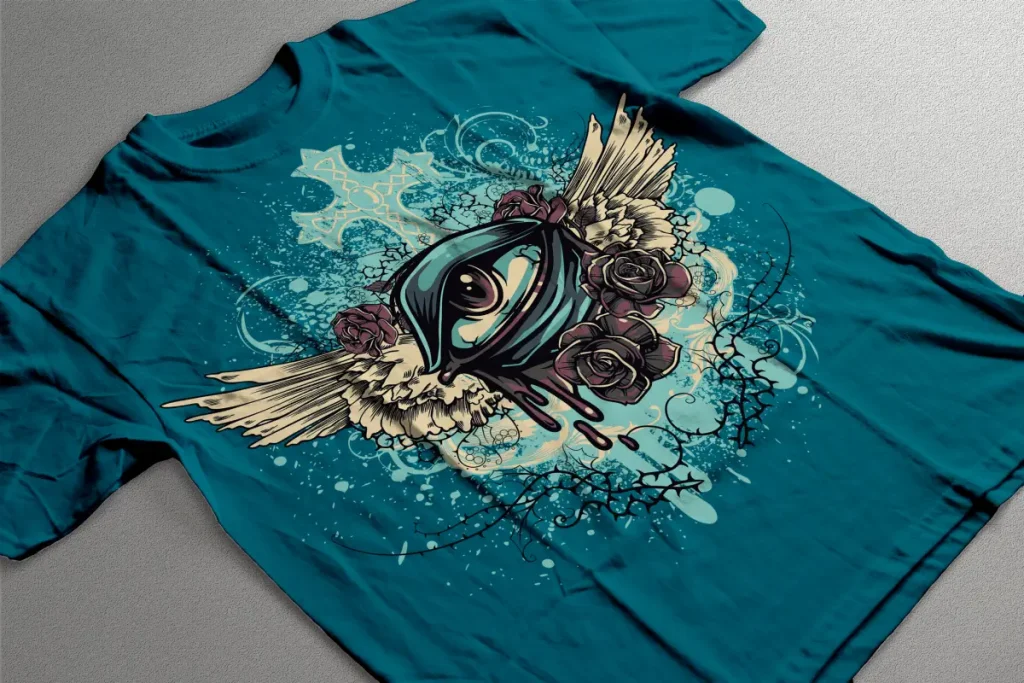
Stepping into the world of apparel decoration can quickly become overwhelming when you are hit with technical jargon, complicated setup requirements, and prints that peel away after a few trips through the washing machine. If you are trying to source durable, sharp, and retail-ready graphics without committing to massive minimum order sizes, premium dtf transfers offer the absolute ultimate production shortcut. Modern apparel decorators, independent fashion labels, and local corporate teams are rapidly leaving traditional printing limits behind in favor of a method that yields exceptional flexibility, vibrant color saturation, and professional results on almost any fabric type.
The Complete Science Under the Hood of Modern Textile Printing
To truly master your garment production quality, it helps to look closely at the multi-layered chemistry that makes the modern DTF system so reliable. Unlike older direct-to-garment systems where liquid ink is jetted directly onto uneven, porous fabric threads, this advanced method prints digital graphics in reverse onto a stable polyester release film. The wide-format print engine deposits fine CMYK digital pigments first, immediately followed by a dense, precisely aligned backing layer of wet white ink.
While the ink layers are completely fluid, the film advances into an automated station where a specialized thermoplastic polyurethane hot-melt adhesive powder is distributed evenly over the surface. The film sheet then glides through a calibrated infrared heating tunnel, baking the powder until it cross-links into a smooth, flexible gel layer. When this finished film meets a blank garment under a heavy thermal heat press, the melted gel flows smoothly into the microscopic pores of the fabric yarns, establishing an unbreakable bond that embeds your artwork directly into the textile weave.
Why Anti-Migration Inks and Premium Films Change Everything
One of the most common frustrations in the custom clothing industry is dye migration, a chemical reaction where the synthetic dyes in deep-colored polyester or heavy fleece fabrics bleed upward into the applied graphic when exposed to heat. This frequently turns clean white graphics into a dull grey or an unintended shade of pink. Professional-grade film systems eliminate this issue entirely by utilizing high-density white ink bases formulated with premium titanium dioxide particles.
This solid foundation acts as a physical block against ascending fabric dyes, offering critical performance benefits across diverse garment styles:
- Athletic polyester jerseys that undergo intense stretching and heavy sweat exposure during active matches.
- Heavyweight blended fleece hoodies with thick, irregular textures that easily swallow lower-quality water-based prints.
- Water-resistant nylon outerwear and heavy canvas tote bags that naturally reject direct textile inks.
The Logistical Power of Choosing a Local Print Supply Chain
In a hyper-competitive fashion retail market driven by viral social media trends and rapid capsule drops, waiting weeks for overseas cargo shipments is a fast track to missed opportunities. Actively sourcing premium dtf transfers near me shifts structural control back into your hands, allowing your business to bypass the unpredictability of international shipping delays, customs hold-ups, and steep freight expenses. Instead of tying up your vital cash flow in massive pre-printed inventory boxes that might sit unsold on a shelf, local sourcing facilitates an agile, just-in-time manufacturing model.
When your production hub operates within your immediate geographical region, your inventory risk factor drops significantly. You can easily launch experimental designs online, monitor real-time consumer purchasing metrics, and print the exact quantities required to fulfill active orders within a single afternoon. This lean manufacturing approach keeps your cash flow completely fluid and ensures you can service sudden corporate accounts, local school sports tournaments, or emergency local team requests without experiencing operational delays.
Evaluating Industrial Print Quality Over Hobbyist Setup Alternatives
As digital printing technology has grown, the regional marketplace has seen a massive influx of small-scale, desktop conversion setups. While these home-modified small printers are fine for casual DIY crafts, they consistently fail when subjected to continuous commercial production demands. Securing the absolute best dtf transfer at Houston requires partnering with a dedicated commercial facility that relies exclusively on wide-format industrial roll-to-roll machinery equipped with active vacuum platens and automated ink maintenance loops.
Industrial printing systems feature continuous mechanical white ink agitation and filtration pumps. Because white textile ink is heavily dense, it naturally settles when left static, leading to clogged printhead nozzles, heavy banding artifacts, and uneven backing thickness on smaller consumer machines. Commercial-grade production ensures that your hundredth gang sheet looks identical in saturation, edge sharpness, and structural integrity to the very first sheet off the roll, giving your apparel brand the consistent quality your customer base demands.
Scaling Your Texas Business Infrastructure with Harwin DTF
For custom decorators striving to build a dominant brand footprint in the regional market, partnering with an established local print authority changes your entire business dynamic. Relying on a premier Houston dtf transfer partner like Harwin DTF removes the logistical headaches of shipping damages, delivery transit delays, and excessive freight surcharges. Situated right in the middle of the commercial printing district, we act as a highly efficient extension of your own workshop floor.
Our facility uses top-tier coated PET release films and flexible polyurethane powders to guarantee that every gang sheet arrives optimized for fast, error-free heat application. By taking on the massive capital overhead of equipment maintenance, climate-controlled ink storage, and precise environmental filtration, Harwin DTF allows you to scale your business without limitations. Local decorators can pick up their orders directly or choose fast regional delivery, walking into their workshops with complete confidence that their custom prints will perform flawlessly under the heat press every single time.
The Master Application Protocol for Professional Garment Pressing
Even the absolute highest-tier commercial print film will fail to perform if the final application stage is executed with incorrect heat settings or uneven pressure distribution. To achieve a smooth, wash-proof bond that matches high-end retail standards, you must carefully monitor three vital production variables: temperature, downward mechanical pressure, and dwell time. Follow this professional execution sequence for pristine results every time:
- The Moisture Evacuation Pre-Press: Lay your blank textile completely flat on the lower platen of your heat press. Lower the heated element for 5 to 7 seconds without the transfer sheet present. This process extracts all hidden ambient humidity and residual manufacturing sizing starches from the fabric weave, creating a dry, receptive bonding surface.
- The Primary Fusion Press: Place your custom film sheet onto the garment with the ink layer facing downward. Lock your commercial press at 300°F to 315°F (149°C to 157°C) for 12 to 15 seconds. Use medium to heavy structural pressure to ensure the melted polyurethane gel forces its way deep around the fabric strands.
- The Cooling Cycle: Remove the garment from the machine and set it on a flat, clean workspace. Allow the fabric to cool completely down to room temperature. Peeling the film while the adhesive remains warm will pull fine detail lines, blur small typography, and compromise the borders of your graphic before the bond can crystallize.
- The Matte Finishing Press: Smoothly peel the clear PET sheet away from the fabric in a continuous motion. Place a sheet of protective parchment paper or a silicone sheet directly over the exposed print and execute a final 5-second press. This final step removes remaining surface gloss, embeds the ink deeper into the textile weave, and leaves a premium soft texture.
Frequently Asked Questions About Professional Fabric Prints
How many home laundry cycles can these custom film prints realistically survive?
When produced with commercial-grade inks and premium TPU powders, industrial film prints are rated to withstand over fifty standard domestic laundry cycles without showing visible signs of cracking, peeling, or fading. To maximize longevity, always turn the garments inside out, wash in cold water, and avoid high-heat commercial dryer settings.
What types of textiles are compatible with these transfers?
One of the major benefits of this workflow is its universal material compatibility. You can safely apply these graphics onto 100% cotton, polyester, poly-cotton blends, ring-spun canvas, heavy denim, and even synthetic nylons or treated athletic performance fabrics without worrying about premature peeling or fabric scorching.
What is the operational benefit of organizing graphics onto a custom gang sheet?
A gang sheet is a space-saving arrangement where you position multiple separate graphics, chest logos, and custom interior neck tags together on a single wide roll of film. By filling the entire printable surface area before sending the file to production, you eliminate material waste and drastically reduce your wholesale cost per individual garment print.
Why is my graphic peeling away at the corners after the very first wash?
Edge peeling is almost always caused by insufficient pressure or low temperature during the initial heat press phase. If the press cannot distribute heavy, uniform downward force across the entire platen, the hot-melt adhesive powder will only grab the outermost surface fuzz of the shirt instead of melting deeply around the structural yarns.
Positioning Your Brand for Long-Term Market Success
Building a recognizable apparel business requires an unwavering commitment to quality that speaks for itself every time a customer puts on your clothing. Partnering with Harwin DTF gives you instant access to elite, industrial-grade textile printing without forcing you to take on the massive financial overhead of machinery maintenance, software licensing, and technical staffing. By trusting Harwin DTF to manage the complex high-precision science of commercial print production, you can dedicate your valuable time to what truly drives your bottom line: designing unforgettable artwork, engaging with your community, and scaling your brand footprint across the competitive Texas market.