
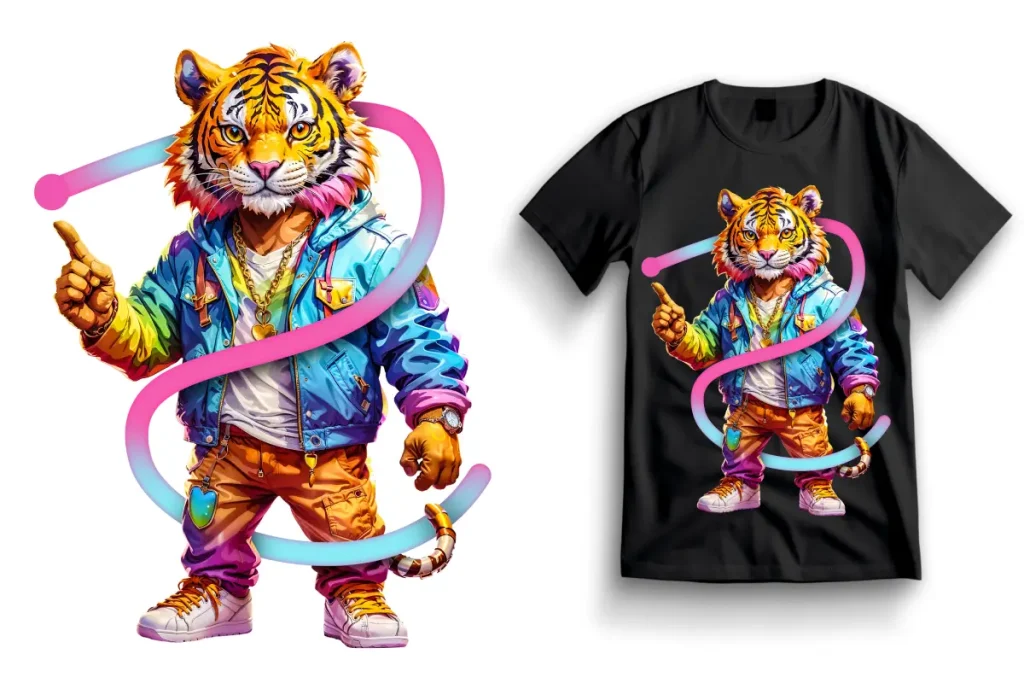
The apparel decoration landscape is shifting rapidly, and creators who want to survive are abandoning old, restrictive methods. If you are running a clothing line or managing a busy print shop, you already know the struggle of keeping up with custom orders that demand complex artwork, bright gradients, and multi-colored logos. Fortunately, the arrival of modern dtf transfers has completely rewritten the rules of garment customization. This innovative method bridges the gap between digital precision and physical durability, allowing anyone with a standard heat press to deliver boutique-quality apparel without the messy cleanup or heavy financial investment traditionally associated with screen printing.
What makes this technology so revolutionary is its liberating lack of fabric limitations. For decades, decorators were forced to choose their decoration methods based strictly on the textile fiber content. Sublimation required 100% white polyester, while direct-to-garment systems frequently struggled on darker, coarse materials. With the growth of DTF printing, these barriers have vanished. You can confidently apply intricate designs onto dark cotton hoodies, high-performance polyester sportswear, tough nylon windbreakers, and even textured promotional items like canvas tote bags. The process handles every detail with ease, opening up massive growth opportunities for regional printing businesses.
Understanding the Mechanics Behind High-Quality Film Printing
To fully appreciate why local print shops are constantly searching for premium dtf transfers near me, it helps to understand the underlying science that makes these prints so resilient. Unlike traditional heat transfer vinyl that sits like a thick, stiff sheet of plastic on top of the fabric, this modern process integrates beautifully into the weave of the textile. The magic lies in a specialized combination of water-based inks, a clear polyethene terephthalate film carrier, and an advanced hot-melt polyurethane adhesive powder.
The journey begins inside a specialized dual-head inkjet printer. The machine deposits the colored CMYK inks first, immediately following it up with a solid, high-opacity layer of white ink. While the ink is still wet, a precise layer of thermoplastic adhesive powder is applied across the design and passed through a specialized curing oven. When heated, this powder melts into a smooth, flexible gel layer. When you later apply this cured sheet to a t-shirt using a commercial heat press, the melted gel acts as an incredibly strong structural bond, locking the ink directly into the fabric fibers. The final result is a vibrant, ultra-thin graphic that moves, stretches, and breathes naturally with the wearer.
The Direct Benefits of Choosing Local Supply Chains
In the print-on-demand era, production velocity is everything. When a client places a large order for a local corporate event or a high school sports team, you cannot afford to wait weeks for overseas shipments to clear customs. This time crunch is precisely why securing the absolute best dtf transfer at Houston fulfillment facilities has become a massive competitive advantage for Texas business owners. Local sourcing keeps your supply lines agile and eliminates the hidden costs of international shipping delays.
Partnering with a dedicated regional provider like Harwin DTF changes your entire business dynamic. Instead of carrying massive amounts of blank inventory and guessing which designs will sell, you can operate on a lean, just-in-time manufacturing model. You receive your commercial-grade sheets quickly, press them on demand, and ship them to your customers within days. This hyper-local approach protects your hard-earned profit margins and ensures that your quality control remains flawless from the first print to the last.
Technical Benchmarks: Spotting Premium Prints from Subpar Formulations
As the popularity of this decoration method grows, the market has become crowded with varying levels of quality. If you want to protect your brand reputation, you must know how to properly audit a supplier. A cheap, poorly manufactured print will crack after a single wash, feel uncomfortably scratchy against the skin, or display dull, washed-out colors. When you are analyzing test samples from a Houston dtf transfer specialist, look for these three non-negotiable performance benchmarks:
- Ink Opacity and Vibrancy: Hold the unpressed film up to a bright light source. The white backing layer should be thick, solid, and entirely opaque. If you can see light bleeding through the white ink, your colors will look dark, muddy, and faded when pressed onto black or navy garments.
- Shear Stretch and Recovery: After pressing a sample onto a stretchy fabric, firmly pull the material sideways. A premium print will stretch naturally without splitting or tearing, and it will immediately snap back into its original shape without leaving permanent stretch marks across the design.
- Edge Definition and Text Clarity: Look closely at the fine details, small text fonts, and thin lines within your graphic. The edges should be perfectly sharp, clean, and free from any fuzzy ink bleeding or stray adhesive powder halos.
At Harwin DTF, we refuse to cut corners on raw materials. We exclusively use industrial-grade print heads, premium high-pigment inks, and finely graded adhesive powders to ensure that every sheet we deliver meets the high standards expected by retail apparel brands.
A Masterclass Guide to Flawless Heat Press Application
Even the most perfect print can fail if the final application process is rushed or executed incorrectly. Achieving maximum durability requires a strict adherence to proper temperature, time, and pressure settings. Follow this professional multi-step workflow to guarantee an unbreakable bond every single time:
- Purge the Moisture: Position your blank garment onto the lower platen of your heat press and clamp it down for 5 seconds. This simple step drives out all hidden atmospheric moisture and flattens out micro-wrinkles that could otherwise ruin the adhesive bond.
- Position the Film: Place your printed transfer sheet onto the prepped fabric with the textured ink side facing down. Double-check your alignments using a laser grid or a physical centering ruler.
- The Primary Press: Close your press using medium-to-firm pressure. For standard cotton and blended fabrics, set your temperature to 310°F (155°C) and press steadily for 12 to 15 seconds. If you are working with heat-sensitive synthetic polyesters, drop the temperature to 285°F (140°C) and extend the time slightly.
- The Cool Down: Remove the garment from the press and lay it flat on a clean table. Allow the film to cool down completely to room temperature before attempting to remove the plastic liner. Peeling the carrier sheet while it is still warm can tear the delicate edges of the design.
- The Secondary Fixing Press: Once the plastic film is peeled away, place the garment back onto the press. Cover the exposed design with a sheet of high-quality parchment paper or a textured silicone mat, and press one final time for 5 seconds. This crucial step drives the ink deep into the fabric weave, removes the shiny plastic sheen, and leaves a soft-hand finish.
Frequently Asked Questions
How long will these custom graphics last on a standard t-shirt?
When applied using proper commercial heat press techniques, these prints are exceptionally durable. They can easily withstand 50 to 60 structural wash cycles before you notice any minor loss of color intensity. To maximize the lifespan of your custom apparel, advise your end consumers to wash their garments inside out in cold water and avoid using harsh chemical bleaches or high-heat commercial tumble dryers.
Can I apply these transfers using a regular household clothing iron?
While it is technically possible for small, casual DIY craft projects, we strongly advise against using a household iron for commercial production. Professional-grade films require consistent, high-pressure distribution and perfectly flat, calibrated heat across the entire surface area of the design. Household irons feature uneven heat distribution holes and rely entirely on manual physical leaning, which frequently leads to premature print peeling and washing failures.
What is the minimum line weight required for fine text and intricate graphics?
Our advanced digital printing processes can comfortably capture incredibly fine details down to a minimum line thickness of 0.02 inches (roughly 0.5mm). Any design elements thinner than this benchmark may struggle to retain enough white ink backing and adhesive powder to form a permanent structural bond with the fabric during the pressing process.
Will the ink colors migrate when pressed onto dark polyester sportswear?
Dye migration occurs when the synthetic dyes inside polyester fabric become heated, turn into a gas, and bleed upward into the ink of your print. To prevent this issue on athletic apparel, always use high-quality transfers from a reliable partner like Harwin DTF. We can utilize specialized anti-migration backing powders that act as a physical barrier, keeping your whites bright and your colors pure regardless of the underlying fabric color.
Transform Your Custom Production Capabilities
The modern apparel marketplace demands speed, flexibility, and uncompromised quality. Relying on outdated decoration methods only limits your creative freedom and damages your operational efficiency. By introducing professional custom prints into your manufacturing system, you gain the ability to say yes to complex, colorful orders that your competitors are forced to turn away. Partnering with Harwin DTF gives you the reliable local production backbone, industrial precision, and premium materials you need to scale your clothing brand with absolute confidence. It is time to eliminate production bottlenecks, upgrade your garment quality, and deliver beautiful products that keep your customers coming back for more.