
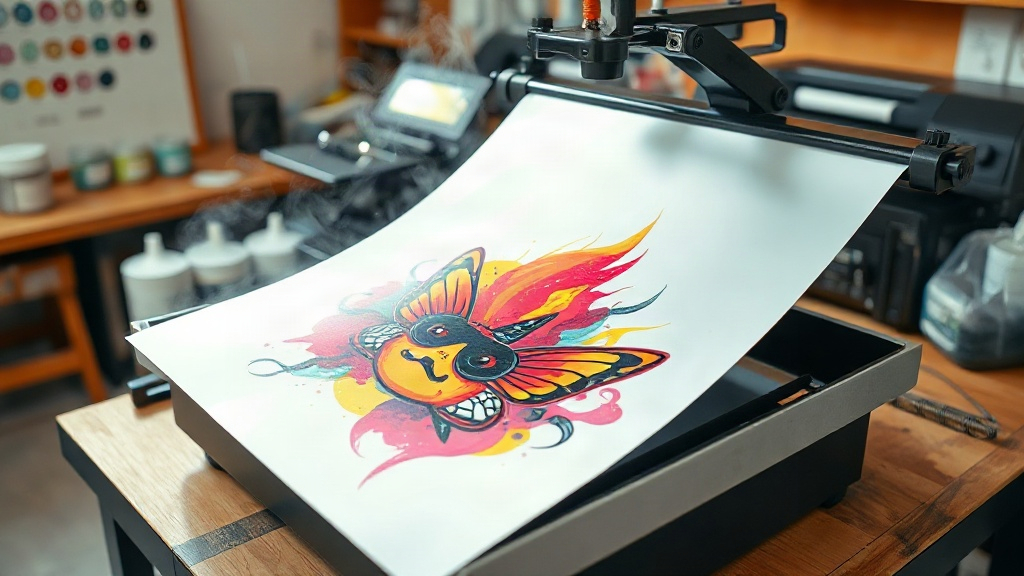
If you've been exploring custom apparel decoration, you've likely encountered DTF printing. Short for Direct-to-Film, this method has quickly become a favorite among small business owners, hobbyists, and print shops alike. Unlike DTG or screen printing, DTF offers incredible versatility: it works on cotton, polyester, blends, and even tough fabrics like canvas and denim. In this guide, I'll walk you through the entire DTF process, sharing practical tips I've learned from countless hours of printing. Whether you're just starting or looking to refine your technique, this article will help you achieve professional results.
What Exactly Is DTF Printing?
DTF printing is a digital printing method where your design is printed onto a special film, coated with a thermoplastic powder, and then heat-pressed onto the fabric. The magic happens when the powder melts and bonds the ink to the garment, creating a stretchable, washable transfer. The process eliminates the need for pre-treating (unless you're working with certain fabrics) and works with a wider range of materials than DTG. Plus, you can print on dark colors without white underbase issues, which is a game-changer for vibrant designs.
The DTF Printing Process Step by Step
Let's break down the workflow so you can replicate it in your own shop.
1. Design Preparation
Start with a high-resolution image, ideally 300 DPI at the final print size. Remember that DTF prints are opaque, so your design should have a transparent background. If you're using white ink, it will be printed as a base layer, so keep that in mind when creating your artwork. I recommend using CMYK color mode and saving as a PNG or TIFF with transparency.
2. Printing onto Film
Load your DTF film into a compatible printer. Most setups use modified Epson printers with DTF inks. The printer lays down a layer of white ink first (if needed), followed by CMYK. The white ink acts as a base to make colors pop on dark garments. Print settings vary by printer, but a common starting point is 1440 DPI with high-quality mode. Always do a nozzle check before printing to avoid banding.
3. Powder Application
While the ink is still wet, sprinkle DTF powder (hot melt adhesive) evenly over the film. You can do this manually or with a shaker. Then, shake off the excess and return it to the container for reuse. The goal is a uniform coating that adheres to the ink without clumps. A powder applicator machine can save time and reduce waste, but manual application works fine for small batches.
4. Curing the Powder
Place the film in a curing oven or under a heat press (without pressure) at around 160°C (320°F) for 2-3 minutes. The powder should melt and become glossy. If you see dull spots, it needs more time. Overcuring can cause the film to curl, so keep an eye on it. Once cured, the transfer is ready to use or can be stored in a cool, dry place for weeks.
5. Heat Pressing
Set your heat press to 160°C (320°F) with medium pressure. Pre-press the garment for a few seconds to remove moisture. Place the transfer on the fabric, cover with a Teflon sheet or parchment paper, and press for 10-15 seconds. For best results, use a cold peel: let the transfer cool completely before peeling off the film. This prevents the ink from stretching or cracking.
Choosing the Right Supplies for DTF
Not all films and powders are created equal. Here's what to look for.
DTF Film
Look for double-sided matte film. It should be coated to hold the ink and powder effectively. Thicker films (75-100 microns) are generally easier to handle and less prone to curling. Some films are designed for hot peel, but I find cold peel films more forgiving for beginners.
DTF Powder
The powder is typically TPU-based and comes in fine or coarse grades. Fine powder (80-200 microns) gives a smoother finish and is ideal for detailed designs. Coarse powder (200-300 microns) provides a more textured feel and stronger bond, but it can be overkill for most applications. Stick with fine powder unless you're printing on heavy fabrics.
DTF Inks
Use pigment-based inks formulated specifically for DTF. They need to be able to sit on the film without soaking in and must be flexible when cured. Cheap inks can clog printheads and produce dull colors. Invest in a reputable brand and shake cartridges regularly to prevent settling.
Common DTF Problems and How to Fix Them
Even with experience, issues pop up. Here are solutions to the most frequent headaches.
- Faded or patchy prints: Usually caused by insufficient white ink or powder. Increase white ink density and ensure even powder coverage.
- Cracking after washing: Often due to undercuring the powder or using too much pressure during heat press. Make sure powder is fully melted and use medium pressure.
- Film curling during curing: The oven temperature might be too high or curing time too long. Lower to 150°C and check after 2 minutes.
- Ink smudging when pressing: The transfer may not be fully cured, or you're pressing while the film is still hot. Always cold peel.
DTF vs. Other Printing Methods
How does DTF stack up against DTG, screen printing, and vinyl? Let's compare.
- DTG: Best for 100% cotton, but requires pre-treatment and can be finicky on blends. DTF works on almost any fabric with minimal prep.
- Screen Printing: Cost-effective for large orders, but setup is time-consuming and not ideal for full-color designs. DTF excels at short runs and complex artwork.
- Vinyl: Great for simple one-color designs, but layering multiple colors is labor-intensive. DTF handles gradients and photographs effortlessly.
If you need flexibility and don't want to invest in multiple setups, DTF is a strong contender.
Applications and Ideas for DTF Printing
Beyond t-shirts, DTF transfers can be applied to:
- Hoodies and sweatshirts
- Tote bags
- Denim jackets
- Canvas shoes
- Pillows and home decor
- Sportswear (thanks to the stretchable bond)
I've even seen people use DTF on wood and metal with varying success, but fabric remains the primary use.
Frequently Asked Questions About DTF Printing
What fabrics can I use with DTF printing?
DTF works on cotton, polyester, blends, nylon, canvas, denim, and more. It's not recommended for fabrics with a heavy waterproof coating, as the adhesive may not bond properly.
How do I wash DTF-printed garments?
Turn the garment inside out and machine wash cold. Avoid fabric softeners and bleach. Tumble dry low or hang dry. With proper care, the print will last 50+ washes.
Can I use DTF on dark shirts without white ink?
No, without a white ink base, colors will appear dull on dark fabrics. The white layer is essential for opacity.
Do I need a special printer for DTF?
You can convert an Epson printer (like the L1800 or P800) with DTF ink and a bulk system. Alternatively, buy a dedicated DTF printer. The key is using DTF-compatible inks and film.
How long does a DTF transfer last?
When applied correctly and cared for properly, DTF transfers can last as long as the garment itself. They resist cracking, peeling, and fading.
Ready to dive into DTF printing? With the right supplies and a bit of practice, you'll be creating stunning custom apparel in no time. For high-quality DTF films, powders, and inks, check out dtfprintly.com.