
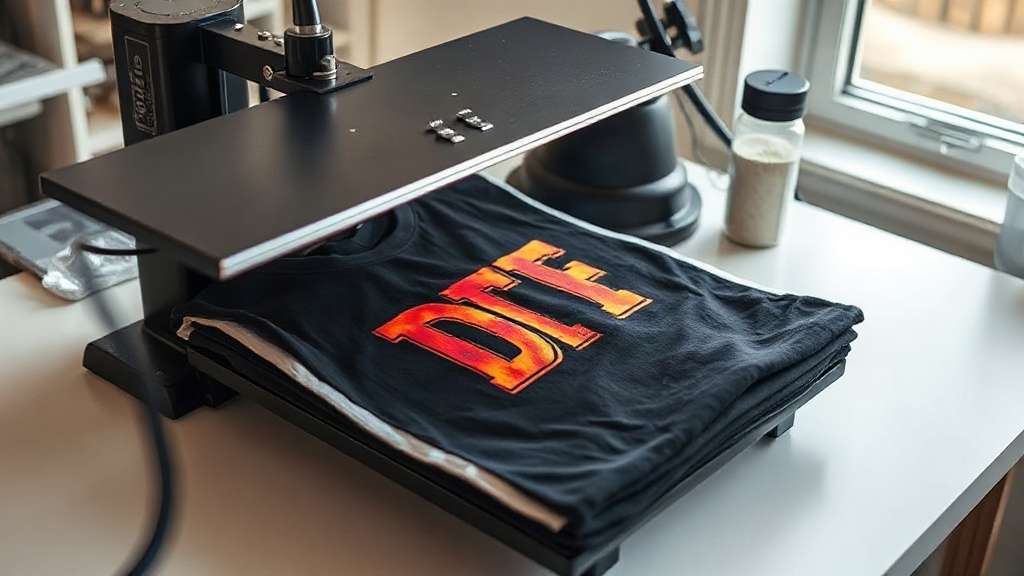
When you first hear about DTF Transfers, you might wonder how they differ from the vinyl or screen-printed designs you have seen on t-shirts. The truth is, this technology has quietly become a favorite among crafters and small business owners who want professional-looking results without a huge setup. Unlike traditional methods that require weeding or multiple screens, DTF transfers offer a simpler path to vibrant, full-color designs on almost any fabric. In this guide, I will walk you through what DTF transfers are, why they have gained so much traction, and how you can use them to elevate your custom apparel projects.
What Are DTF Transfers?
DTF stands for Direct-to-Film. It is a printing process where your design is printed onto a special film, coated with a powdered adhesive, and then heat-pressed onto the fabric. The result is a soft, stretchable transfer that bonds permanently to the material. Unlike DTG (Direct-to-Garment) printing, which prints directly onto the shirt, DTF transfers allow you to print the design first and apply it later. This flexibility means you can prepare transfers in advance, store them, and press them whenever you need. It also opens up possibilities for printing on dark colors and hard-to-print fabrics like polyester and blends.
Why Choose DTF Transfers Over Other Methods?
There are several reasons why DTF transfers have become a go-to solution for many in the custom apparel industry. Here are the key benefits:
- No weeding required: Unlike heat transfer vinyl (HTV), DTF transfers do not need to be weeded. You simply print, powder, cure, and press. This saves hours of tedious work, especially for intricate designs.
- Full-color and photographic designs: DTF printers use CMYK plus white ink, so you can print gradients, photographs, and fine details without worrying about color limitations.
- Works on multiple fabrics: You can apply DTF transfers to cotton, polyester, blends, and even leather. This versatility makes them ideal for a wide range of products.
- Durability: When applied correctly, DTF transfers withstand repeated washing without cracking or fading. They stretch with the fabric, so they are great for activewear.
- Cost-effective for small batches: There is no need for screens or plates, so short runs are economical. You can print one-off designs or small batches without breaking the bank.
How to Apply DTF Transfers: Step-by-Step
Applying DTF transfers is straightforward, but following the right steps ensures a long-lasting result. Here is a detailed process that I have refined through my own experience.
Step 1: Prepare Your Workspace
Set up your heat press on a stable surface. Ensure it is clean and free of any debris. Preheat your press to the recommended temperature, typically around 325°F (160°C). While it heats, lint-roll your garment to remove any dust or fibers that could interfere with adhesion.
Step 2: Position the Transfer
Place the DTF transfer onto the garment with the printed side facing up. The film should be on top. If your design has a white base, it will be on the bottom side. Position it exactly where you want it. You can use heat-resistant tape to hold it in place if needed.
Step 3: Press the Transfer
Cover the transfer with a Teflon sheet or parchment paper to protect your press. Apply medium pressure for 10-15 seconds. The exact time can vary based on your press and the film manufacturer, so always check the instructions that come with your transfers. After pressing, peel the film while it is still warm. It should come off easily, leaving the design on the fabric. If any part sticks, press again for a few seconds.
Step 4: Post-Press for Durability
For added durability, especially on stretchy fabrics, do a second press for 5-10 seconds with a cover sheet. This helps the adhesive fully bond with the fibers. Let the garment cool completely before wearing or washing.
Common Mistakes to Avoid with DTF Transfers
Even though DTF transfers are forgiving, some pitfalls can ruin your results. Here are a few I have encountered and how to avoid them:
- Insufficient pressure: If the press does not apply enough pressure, the transfer may not adhere properly. Adjust your press and test on a scrap piece of fabric.
- Wrong temperature: Too hot and the film may melt or the design may scorch; too cold and the adhesive won't activate. Use a temperature gun to verify your press's actual temperature.
- Peeling too soon or too late: DTF transfers are typically peeled warm. If you wait until it's cold, the adhesive may set and pull off the design. If you peel too soon, the design may shift.
- Not storing transfers properly: Keep unused transfers in a cool, dry place away from direct sunlight. Moisture can affect the powder adhesive.
DTF Transfers vs. Other Printing Methods
To help you decide if DTF is right for your project, let's compare it to other popular methods:
- DTF vs. HTV: HTV requires weeding and layering for multi-color designs, while DTF is a single transfer with full-color capability. DTF is generally softer and more durable for complex designs.
- DTF vs. DTG: DTG prints directly onto the garment, which is great for cotton but less effective on polyester. DTF works on more fabrics and often has a lower cost per print for small runs.
- DTF vs. Screen Printing: Screen printing is cost-effective for large orders but requires setup and is limited in colors. DTF shines for small batches and detailed designs.
Frequently Asked Questions About DTF Transfers
Can I use DTF transfers on dark shirts?
Absolutely. DTF transfers include a white ink layer that makes colors pop on dark fabrics. This is one of their biggest advantages over other methods.
How long do DTF transfers last?
With proper application and care, DTF transfers can last as long as the garment itself. Wash inside out in cold water and avoid bleach to extend their life.
Do I need a special printer for DTF transfers?
Yes, you need a DTF printer that uses DTF inks and film. However, you can also buy pre-printed transfers from suppliers if you don't want to invest in a printer.
Can I stretch DTF transfers?
Yes, DTF transfers are stretchable and work well on athletic wear. Just ensure you use a stretchy fabric and apply the transfer correctly.
What is the best way to store DTF transfers?
Store them flat in a cool, dry place, away from moisture and direct sunlight. Use them within a few months for best results.
Whether you are a hobbyist or a small business owner, DTF transfers offer a versatile and reliable way to create custom apparel. With a bit of practice, you will be able to produce vibrant, long-lasting designs that impress your customers. Give it a try and see how DTF transfers can transform your projects.