
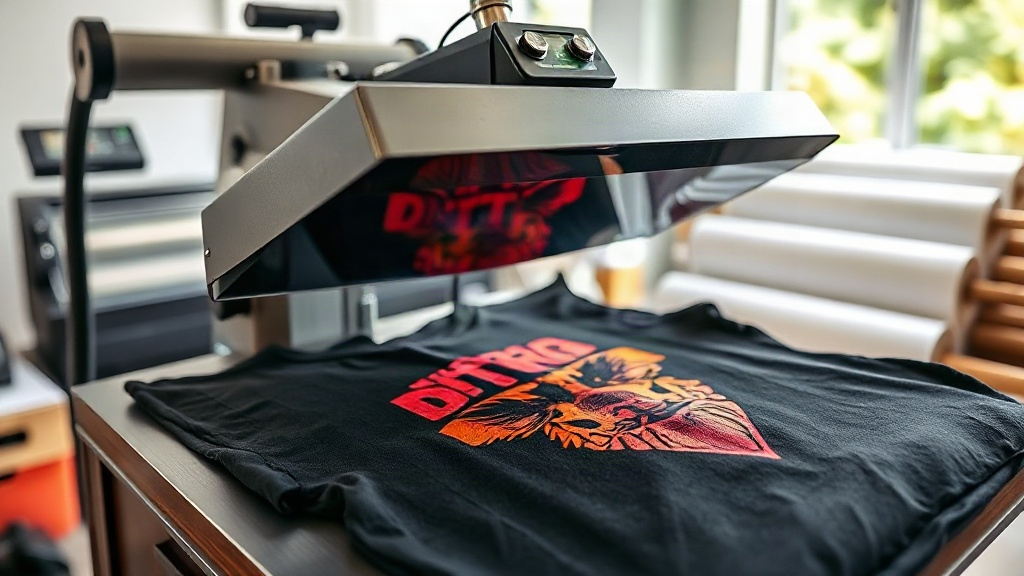
If you've been exploring custom apparel printing, you've likely encountered DTF Transfers. This innovative technology is rapidly gaining popularity for its versatility and vibrant results. Unlike traditional methods that require specific fabric types, DTF Transfers adhere to almost any material, opening up a world of possibilities for creators and businesses alike. In this guide, we'll walk you through everything you need to know about DTF Transfers, from the basics to pro tips for flawless application.
What Are DTF Transfers?
DTF Transfers (Direct to Film) are a type of heat transfer that involves printing a design onto a special PET film using water-based inks, then coating it with a powder adhesive. The film is then cured and can be stored for later use. When you're ready to apply, you simply heat press the transfer onto your fabric, and the adhesive bonds the design to the material. This process allows for full-color, high-detail prints without the need for weeding or layering, making it a game-changer for small businesses and hobbyists.
The DTF Printing Process
The DTF process begins with a digital design. The printer prints the design onto the film using CMYK and white inks. The white ink acts as a base, ensuring the colors pop on dark fabrics. After printing, a fine powder adhesive is applied while the ink is still wet, and then the film is heated to melt the powder. This creates a dry, ready-to-use transfer. The entire process can be done in-house with a DTF printer, or you can order pre-made transfers from suppliers.
Why Choose DTF Transfers Over Other Methods?
DTF Transfers offer several advantages that set them apart from other decoration techniques like screen printing, vinyl, or DTG (Direct to Garment). Here are the key benefits:
- Versatility: DTF transfers work on a wide range of fabrics, including cotton, polyester, blends, and even leather. They're not limited to light-colored garments, as the white ink base allows for vibrant prints on dark materials.
- No Weeding or Layering: Unlike vinyl, DTF transfers don't require manual weeding or layering of colors. This saves time and reduces waste.
- Cost-Effective for Short Runs: For small batches or one-off designs, DTF is more economical than screen printing, which requires setup costs per color.
- Durability: When applied correctly, DTF prints are durable and can withstand repeated washing without cracking or fading.
- High Detail: DTF can reproduce intricate details, gradients, and photographs with impressive clarity.
These benefits make DTF Transfers an attractive option for custom t-shirts, tote bags, hoodies, and more.
How to Apply DTF Transfers: Step-by-Step
Applying DTF transfers is straightforward, but following the correct steps ensures a professional finish. Here's a detailed guide:
1. Prepare Your Workspace
Set up your heat press on a stable surface. Ensure it's clean and free of any debris. Preheat your heat press to the recommended temperature, typically around 300-325°F (150-160°C).
2. Pre-Press the Garment
Place your fabric on the heat press and pre-press for 5-10 seconds. This removes moisture and wrinkles, creating a smooth surface for the transfer.
3. Position the Transfer
Place the DTF transfer onto the garment with the printed side facing up. If your transfer has a white backing, that's the side that goes against the fabric. Use heat-resistant tape if needed to keep it in place.
4. Press the Transfer
Apply firm pressure (medium to high) for 10-15 seconds. The exact time and temperature may vary depending on the transfer supplier, so always check their instructions. Avoid moving the transfer during pressing.
5. Peel the Film
After pressing, wait a few seconds for the transfer to cool slightly. Then, peel the film off in a smooth, continuous motion. For a matte finish, peel while hot; for a glossy finish, peel when cold. Some transfers are hot-peel only, so again, refer to the supplier's guidelines.
6. Post-Press for Durability
For added durability, place a sheet of parchment paper or a Teflon sheet over the design and press again for 5-10 seconds. This ensures the adhesive fully bonds with the fabric.
Common Mistakes to Avoid
Even with a simple process, mistakes can happen. Here are some pitfalls to watch out for:
- Insufficient Pressure: If the pressure is too low, the transfer won't adhere properly, leading to peeling. Adjust your heat press to medium-high pressure.
- Wrong Temperature: Too hot and you might scorch the fabric or melt the film; too cold and the adhesive won't activate. Always use a temperature gun to verify.
- Not Pre-Pressing: Skipping pre-pressing can result in moisture trapped under the transfer, causing bubbles or poor adhesion.
- Peeling Too Soon or Too Late: Follow the recommended peel timing. Peeling too early can stretch the design; too late can make it difficult to remove the film.
- Ignoring Fabric Type: While DTF works on many fabrics, some delicate materials may require lower temperatures. Test on a scrap piece first.
DTF Transfers vs. Other Printing Methods
To help you decide if DTF is right for your project, let's compare it to other popular methods:
DTF vs. Screen Printing
Screen printing is cost-effective for large orders but requires separate screens for each color, making it less practical for complex designs or small batches. DTF excels in short runs and detailed artwork.
DTF vs. DTG
DTG (Direct to Garment) prints directly onto the fabric, which is great for cotton but often struggles with polyester and dark colors. DTF transfers can be applied to a wider range of fabrics and provide more vibrant colors on dark garments.
DTF vs. Vinyl
Vinyl is durable and great for simple designs, but it requires weeding and layering for multi-color designs. DTF is faster for complex, full-color images and doesn't have the same limitations.
Tips for Long-Lasting DTF Prints
To ensure your DTF transfers last as long as the garment, follow these care tips:
- Wash inside out in cold water.
- Avoid using bleach or fabric softeners.
- Tumble dry on low or hang dry.
- Iron on the reverse side, never directly on the print.
- Wait at least 24 hours before washing after application.
By following these guidelines, your DTF prints will remain vibrant and intact for many washes.
Frequently Asked Questions
Can I use DTF transfers on 100% polyester?
Yes, DTF transfers work well on polyester. However, polyester is heat-sensitive, so you may need to lower the temperature to around 280-300°F (140-150°C) to avoid scorching or dye migration. Always test on a scrap piece first.
How do I store unused DTF transfers?
Store them in a cool, dry place away from direct sunlight. Keep them flat or rolled, not folded, to prevent creases. Properly stored transfers can last for several months.
Do DTF transfers crack or fade over time?
When applied correctly and cared for properly, DTF transfers are durable and resistant to cracking and fading. The key is to follow the recommended pressing parameters and washing instructions.
What's the difference between hot peel and cold peel DTF transfers?
Hot peel transfers are designed to be peeled immediately after pressing while still hot, resulting in a slightly matte finish. Cold peel transfers should be allowed to cool completely before peeling, giving a glossier finish. Always check the supplier's recommendation.
Can I layer DTF transfers?
Yes, you can layer DTF transfers, but it's best to press each layer separately. Use a lower pressure for the second press to avoid flattening the first layer. This technique is useful for adding names or numbers on top of a design.
With their versatility and ease of use, DTF Transfers are revolutionizing the custom apparel industry. Whether you're a hobbyist or a business owner, mastering DTF transfers can elevate your creations and streamline your production. Remember to practice, follow the guidelines, and soon you'll be producing professional-quality prints that impress.