
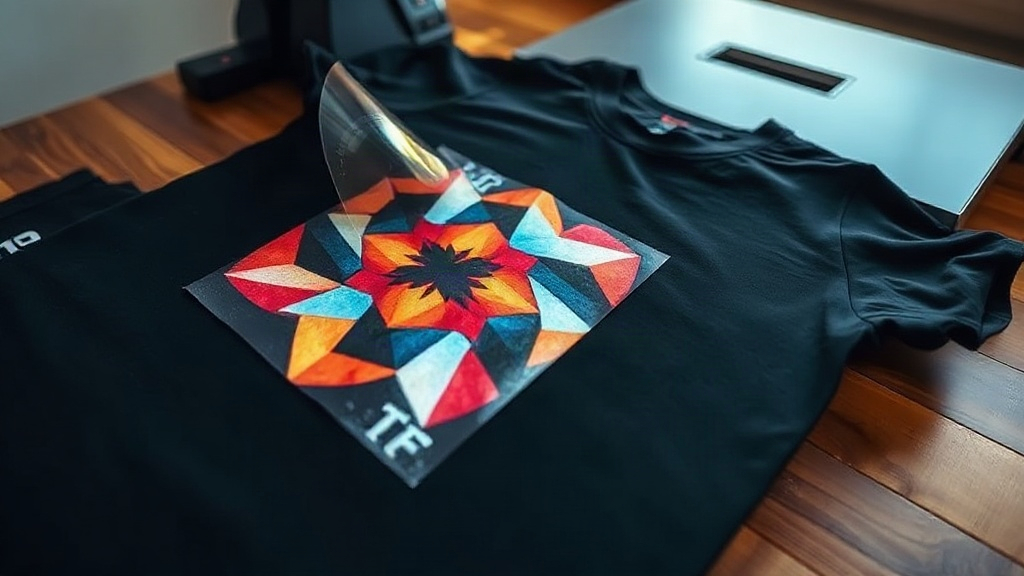
Imagine pressing a design onto a cotton t-shirt, a polyester jersey, or even a canvas tote, and watching it come out with colors so vivid they seem to glow. That's the magic of DTF transfers. Unlike traditional methods that limit your fabric choices or require complex setups, DTF (Direct to Film) transfers have opened a new world of possibilities for custom apparel creators, small businesses, and DIY enthusiasts. In this guide, we'll walk you through everything you need to know about DTF transfers, from how they work to why they might be your next go-to printing method.
What Are DTF Transfers?
DTF transfers are a type of heat-applied decoration where your design is printed onto a special film, coated with a powder adhesive, and then transferred to your garment using a heat press. The process starts with a digital printer that lays down CMYK inks plus white ink onto a PET film. The white ink acts as a base, allowing the colors to pop on both light and dark fabrics. After printing, a fine thermoplastic powder is applied to the wet ink, which melts and creates a adhesive layer when heated. Once the transfer is ready, you simply place it on your fabric and press it with a heat press. The film peels away, leaving a soft, stretchable print that bonds permanently to the fabric.
Why DTF Transfers Are Gaining Popularity
Several factors contribute to the rising popularity of DTF transfers. First, they work on almost any fabric: cotton, polyester, blends, leather, and even treated nylon. This versatility means you don't need to stock different types of transfers for different materials. Second, DTF transfers eliminate the need for weeding, a time-consuming step in vinyl cutting. Third, the prints are incredibly durable, withstanding repeated washes without cracking or fading. Finally, the color vibrancy is unmatched, especially when compared to other transfer methods that struggle with white ink on dark garments.
The DTF Transfer Process Step by Step
Understanding the process helps you achieve consistent results. Here's a breakdown:
- Design Preparation: Create your artwork in a graphics program, ensuring it's mirrored (unless your printer software does it automatically). Use high-resolution images for best quality.
- Printing: Load the PET film into your DTF printer. The printer lays down CMYK and white ink. The white ink is crucial for opacity on dark fabrics.
- Powdering: While the ink is still wet, apply the thermoplastic powder evenly over the design. Shake off excess.
- Curing: Place the film in a curing oven or under a heat source to melt the powder. This creates a smooth, adhesive layer. The transfer is now ready to use or store.
- Heat Pressing: Set your heat press to the recommended temperature (usually 300-350°F) and pressure. Place the transfer on the garment, cover with a protective sheet, and press for 10-15 seconds.
- Peeling: After pressing, wait a few seconds for the transfer to cool slightly, then peel off the film. For a matte finish, peel while hot; for glossy, peel cold. Follow your transfer's specific instructions.
Benefits of Using DTF Transfers
DTF transfers offer numerous advantages over other decoration methods:
- Fabric Versatility: Works on cotton, polyester, blends, and more.
- No Weeding: Saves time and labor compared to vinyl.
- Vibrant Colors: White ink base ensures bright colors on any background.
- Durability: Prints resist cracking, peeling, and fading.
- Soft Feel: The print is thin and stretchable, ideal for performance wear.
- Cost-Effective for Short Runs: No setup fees, making it great for small batches.
Common Applications of DTF Transfers
From custom t-shirts for events to branded workwear, DTF transfers are used in a variety of settings. Small businesses use them to create on-demand merchandise. Sports teams use them for jerseys with names and numbers. Individuals use them for personalized gifts. They are also popular for adding details to bags, hats, and shoes.
Tips for Successful DTF Transfer Application
To get professional results, keep these tips in mind:
- Pre-press the garment: This removes moisture and wrinkles, ensuring a smooth surface.
- Use the right settings: Each transfer may require specific temperature, pressure, and time. Always test first.
- Cool peel vs. hot peel: Some transfers are designed for hot peel, others for cold. Check the instructions.
- Store transfers properly: Keep them in a cool, dry place away from direct sunlight to prevent premature curing.
- Wash inside out: To prolong the life of the print, wash garments inside out in cold water and avoid harsh detergents.
DTF Transfers vs. Other Printing Methods
How do DTF transfers stack up against DTG, screen printing, and vinyl? DTG (Direct to Garment) is great for cotton but struggles with polyester and dark colors. Screen printing is cost-effective for large orders but requires setup and is limited to one color per screen. Vinyl is durable but requires weeding and is limited in detail and color. DTF transfers combine the best of these: no setup, full-color, works on many fabrics, and durable. They are especially ideal for small to medium orders with complex designs.
Frequently Asked Questions About DTF Transfers
Can DTF transfers be applied to 100% polyester?
Yes, DTF transfers work well on polyester. However, polyester is heat-sensitive, so you may need to lower the temperature to around 280-300°F to avoid scorching. Always test on a scrap piece first.
How long do DTF transfers last?
With proper application and care, DTF transfers can last as long as the garment itself. They withstand dozens of washes without significant fading or cracking. Following washing instructions (inside out, cold water) will maximize longevity.
Do I need a special printer for DTF transfers?
Yes, you need a DTF printer that uses DTF inks and can print white ink. Converted inkjet printers are available, but dedicated DTF printers are recommended for consistent results. Alternatively, you can buy pre-printed transfers from suppliers.
What is the difference between DTF and DTG?
DTF transfers are printed on film and then heat-pressed onto the garment, while DTG prints directly onto the garment. DTF works on more fabrics and doesn't require pre-treatment, but DTG can be more cost-effective for large runs on cotton.
Can I stretch DTF transfers?
Yes, DTF transfers are flexible and can stretch with the fabric without cracking, making them suitable for performance wear and stretchy materials.