
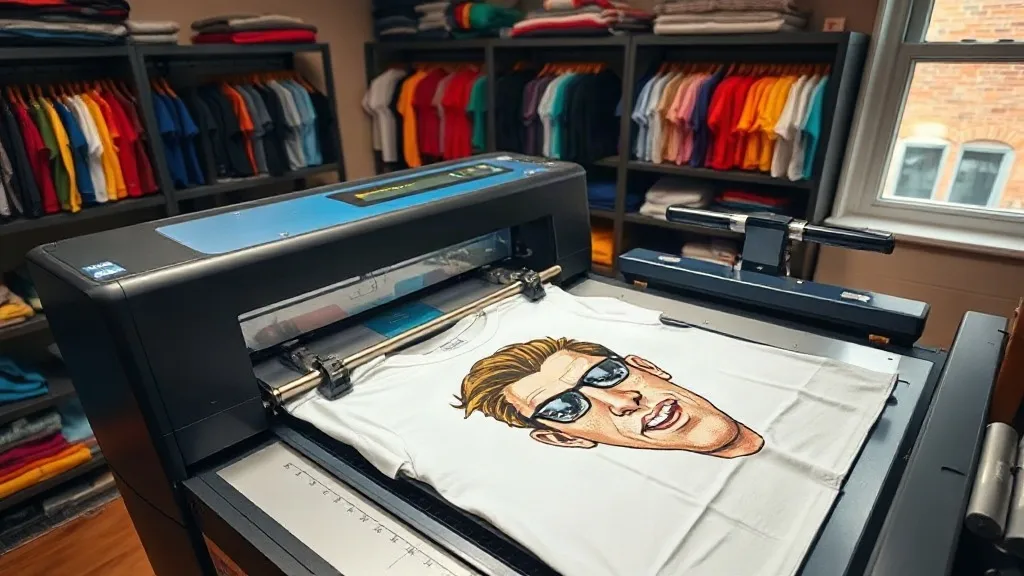
If you run a small print shop, you're always looking for ways to offer more to your customers without adding complexity or breaking the bank. dtf transfers have emerged as a game-changer in the custom apparel industry, allowing even the smallest shops to produce vibrant, durable prints on a wide range of fabrics. Unlike traditional methods that require expensive equipment and specialized setups, DTF (Direct to Film) printing offers a streamlined workflow that fits right into your existing operation. In this guide, we'll walk you through what DTF transfers are, how they work, and why they might be the perfect addition to your services.
What Are DTF Transfers?
DTF transfers are printed designs on a special film that can be heat-pressed onto fabrics. The process involves printing your artwork onto a PET film using specialized dtf inks, applying a powder adhesive, and then curing the film. When you're ready to apply the design, you simply place the film on the garment and press it with a heat press. The result is a soft, flexible, and durable print that adheres to cotton, polyester, blends, and even nylon. This versatility sets DTF apart from other methods like screen printing or vinyl, which often have limitations on fabric types.
The DTF Printing Process Step by Step
Understanding the DTF process helps you appreciate its simplicity and efficiency. Here's a breakdown of the key steps:
- Design Preparation: Start with your artwork in a digital format. Ensure it's high resolution and properly color-separated if needed. DTF printers use CMYK plus white ink, so your design should be prepared accordingly.
- Printing: The design is printed onto a roll of PET film. The printer lays down a layer of white ink first (if necessary) and then the color layers. This white base is crucial for vibrant colors on dark fabrics.
- Powder Application: While the ink is still wet, a hot-melt adhesive powder is applied evenly over the printed film. Excess powder is shaken off.
- Curing: The film passes through a curing oven or is heated with a heat gun to melt the powder, creating a adhesive layer that will bond with the fabric.
- Transfer: The cured film is now ready to be heat-pressed onto the garment. The film is placed on the fabric, and a heat press applies temperature and pressure for a set time. After pressing, the film is peeled away (hot or cold peel, depending on the film type), leaving the design behind.
Each step is straightforward, and with a bit of practice, you can master the process quickly. The equipment needed includes a DTF printer, a powder shaker, and a heat press—items that many small shops already have or can acquire at a reasonable cost.
Why Choose DTF Transfers for Your Print Shop?
There are several compelling reasons to incorporate DTF transfers into your business:
- Fabric Versatility: DTF works on almost any fabric, including 100% cotton, polyester, blends, and even treated nylon. This means you can cater to a wider range of customer requests without investing in multiple printing technologies.
- No Weeding or Cutting: Unlike vinyl, DTF transfers come pre-printed and ready to press. There's no tedious weeding or cutting, saving you time and reducing waste.
- Vibrant Colors and Fine Details: DTF printers can reproduce intricate designs with gradients and fine lines, making them ideal for complex artwork. The white ink base ensures colors pop on dark garments.
- Durability: When applied correctly, DTF prints are highly durable, withstanding multiple washes without fading or cracking. They remain soft to the touch and stretch with the fabric.
- Cost-Effective for Short Runs: DTF is economical for small batches because there's no need for screens or setup fees. You can print one-off designs or small orders without breaking the bank.
For a small print shop, these benefits translate to more satisfied customers and new revenue streams. You can offer custom t-shirts, tote bags, hats, and more with ease.
Getting Started with DTF: What You Need
If you're ready to add DTF to your services, here's a checklist to get started:
- DTF Printer: Choose a printer that suits your volume and budget. Entry-level models are available for small shops, while higher-end models offer faster speeds and larger print sizes.
- DTF Inks and Film: Use high-quality DTF inks and PET film designed for DTF printing. Quality consumables are essential for vibrant, durable prints.
- Powder Shaker and Curing Oven: You can start with a manual powder application and a heat gun, but for efficiency, consider a powder shaker and a curing oven.
- Heat Press: A reliable heat press is crucial for applying transfers. Ensure it can reach the required temperature (usually around 160°C to 170°C) and maintain consistent pressure.
- Design Software: Familiarize yourself with graphic design software to prepare and optimize artwork for DTF printing.
Many suppliers offer starter kits that include everything you need to begin. Training is often available online or through the supplier, so you can get up to speed quickly.
Practical Tips for Successful DTF Transfers
To ensure your DTF transfers look great and last long, keep these tips in mind:
- Prepress Your Garment: Before pressing, preheat the garment to remove moisture and wrinkles. This helps the transfer adhere properly.
- Use the Right Pressure: Apply medium to high pressure for the recommended time. Too little pressure can result in poor adhesion, while too much can cause the design to spread.
- Peel at the Right Temperature: Some films require hot peel, others cold peel. Follow the manufacturer's instructions for the best results.
- Store Transfers Properly: Keep unused transfers in a cool, dry place away from direct sunlight to prevent the adhesive from degrading.
- Test on Scrap Fabric: Before pressing onto a final garment, do a test press on a similar fabric to fine-tune your settings.
These small details make a big difference in the quality and longevity of your prints.
Finding DTF Transfers Near You
If you're not ready to invest in a DTF printer, you can still offer DTF prints by ordering pre-printed transfers from a supplier. Many companies provide dtf transfers near me services, allowing you to upload your designs and receive ready-to-press films. This is a great way to test the waters without a large upfront investment. When choosing a supplier, look for fast turnaround times, competitive pricing, and high-quality prints. Reading reviews and requesting samples can help you make an informed decision.
For those in the US, searching for "dtf transfers near me" can connect you with local suppliers who offer quick shipping and personalized support. Building a relationship with a reliable supplier ensures you can meet customer demands without delays.
Common Challenges and How to Overcome Them
Like any printing method, DTF has its quirks. Here are some common issues and solutions:
- Poor Adhesion: This can happen if the garment isn't preheated or if the pressure is insufficient. Always preheat and use consistent pressure.
- Faded Colors: Ensure your printer is using high-quality inks and that the white ink layer is thick enough. Also, check that the curing process is complete.
- Film Wrinkling: Store film flat and avoid humidity. Wrinkled film can cause uneven prints.
- Clogged Printheads: Regular maintenance, such as cleaning and printing test pages, prevents clogs and ensures smooth operation.
With a bit of troubleshooting, you can overcome these challenges and produce professional-quality transfers.
Frequently Asked Questions About DTF Transfers
How durable are DTF transfers?
DTF transfers are known for their durability. When applied correctly, they can withstand 50+ washes without significant fading, cracking, or peeling. The key is proper application and using high-quality consumables.
Can I use DTF transfers on dark fabrics?
Absolutely. DTF printing uses a white ink base that allows vibrant colors to show up brilliantly on dark fabrics. This is one of the main advantages of DTF over other methods.
What equipment do I need to start with DTF?
You'll need a DTF printer, DTF inks, PET film, adhesive powder, a powder shaker (or manual application tools), a curing oven (or heat gun), and a heat press. Many suppliers offer starter kits to simplify the process.
How long does it take to learn DTF printing?
With the right resources and practice, you can learn the basics of DTF printing in a day or two. Mastering the nuances of color management and application may take a few weeks, but the learning curve is relatively gentle.
Is DTF printing cost-effective for small orders?
Yes, DTF is very cost-effective for short runs because there are no setup fees or minimum order quantities. You can print one-off designs or small batches without incurring high costs.
Integrating DTF transfers into your small print shop can open up new opportunities and delight your customers with high-quality, custom apparel. With its versatility, durability, and ease of use, DTF is a smart addition to any print business. Start exploring DTF today and watch your capabilities grow.