
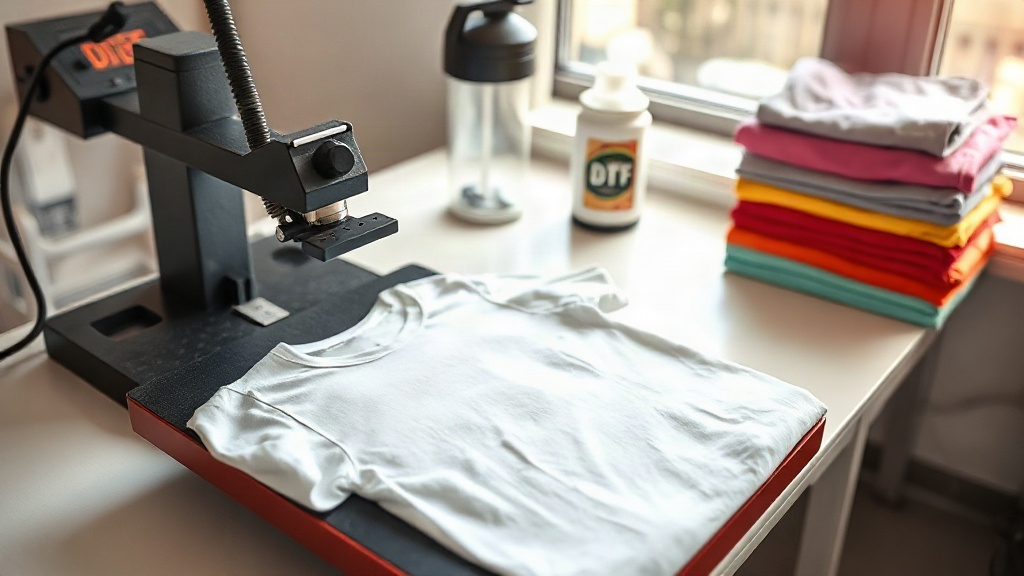
If you're in the custom apparel game, you've likely heard the buzz around DTF transfers. They've quickly become a go-to decoration method for everyone from hobbyists to large-scale print shops. But what exactly makes them so popular? In short, DTF (Direct to Film) transfers offer unmatched versatility, vibrant colors, and durability that rivals traditional methods like screen printing and heat transfer vinyl (HTV). In this comprehensive guide, we'll dive deep into the world of DTF transfers, covering everything from selecting the right blank garments to mastering application techniques and optimizing your bulk orders. Whether you're a seasoned pro or just starting out, this article will equip you with the knowledge to elevate your custom apparel business.
What Are DTF Transfers and Why They Matter
DTF transfers are printed onto a special film using a DTF printer with pigment-based inks. The design is then coated with a hot-melt adhesive powder, which allows it to be heat-pressed onto various fabrics. Unlike DTG (Direct to Garment) printing, DTF transfers can be applied to a wide range of materials, including cotton, polyester, blends, and even treated nylon. This flexibility opens up a world of possibilities for garment decoration.
The process is relatively straightforward: you print your design, powder it, cure it, and then heat-press it onto your substrate. The result is a soft, stretchable, and durable print that can withstand repeated washing. Because the design is printed on a film, you can achieve fine details and gradients that are often challenging with other methods.
One of the biggest advantages of DTF transfers is the ability to produce small batches economically. There's no need for screens or setup fees, making it ideal for on-demand printing and personalized items. Plus, the color vibrancy is exceptional, even on dark garments, because a white ink layer is printed underneath the colored inks.
Choosing the Right Blanks for DTF Transfers
The success of your DTF transfer project heavily depends on the blank garment you choose. Not all blanks are created equal, and some fabrics and weaves work better with DTF than others. Let's explore two popular brands that are known for their compatibility with DTF: Shaka Wear and Smart Blanks.
Shaka Wear: Heavyweight and Streetwear-Ready
Shaka Wear has carved a niche in the apparel industry with its heavyweight cotton tees and hoodies. Their garments are known for their boxy fit, durable construction, and soft hand feel. When it comes to DTF transfers, Shaka Wear blanks are a fantastic choice because their tight knit and smooth surface allow for excellent adhesion and print detail. The heavyweight fabric also provides a substantial canvas that can handle the slight texture of DTF prints without compromising comfort.
Many streetwear brands and custom shops prefer Shaka Wear for its premium look and feel. The thickness of the fabric ensures that the heat press doesn't scorch the material, and the prints hold up well over time. If you're targeting the urban or streetwear market, Shaka Wear is a brand you should definitely consider.
Smart Blanks: Affordable and Versatile
On the other end of the spectrum, Smart Blanks offers a budget-friendly option without sacrificing quality. These blanks are popular among startups and small businesses looking to keep costs down while still delivering a quality product. Smart Blanks garments are typically made from 100% cotton or cotton/poly blends, which are ideal for DTF transfers due to their ability to absorb the adhesive and inks effectively.
What makes Smart Blanks stand out is their wide range of colors and sizes, making them suitable for diverse projects. Whether you're printing corporate logos, event merchandise, or personal designs, Smart Blanks provides a reliable and economical foundation. The smooth surface of these blanks ensures that your DTF transfers look crisp and professional.
How to Apply DTF Transfers Like a Pro
Applying DTF transfers might seem simple, but there are nuances that can make or break your final product. Follow these steps to ensure a flawless application every time.
Step 1: Prep Your Workspace and Garment
Before you begin, make sure your heat press is preheated to the correct temperature. For most DTF transfers, a temperature of 325°F to 350°F is recommended. Pre-press the garment for a few seconds to remove any moisture and wrinkles. This step is crucial because moisture can interfere with adhesion and cause the transfer to peel.
Step 2: Position and Press
Place the DTF transfer on the garment with the printed side facing up. Use medium to firm pressure and press for 10 to 15 seconds. The exact time can vary depending on your press and the transfer manufacturer's instructions, so always do a test press first.
Step 3: Peel and Finish
DTF transfers are typically cold peel or warm peel. Cold peel means you wait until the transfer is completely cool before removing the film. Warm peel means you remove it while it's still warm. Check your transfer's specifications. After peeling, you may need to do a second press with a cover sheet for a few seconds to ensure the print is fully embedded into the fabric.
Common Pitfalls to Avoid
- Using too much pressure can cause the adhesive to spread and create a halo effect.
- Not pre-pressing can lead to moisture trapped under the transfer, causing bubbles.
- Pressing at too high a temperature can scorch the garment or melt the film.
- Peeling too early or too late can result in incomplete transfer or damage to the design.
Bulk Orders: Scaling Your DTF Transfer Production
When you're ready to scale up, bulk orders of DTF transfers can save you time and money. Many suppliers offer discounts for large quantities, and if you're printing in-house, you can produce multiple transfers on a single film sheet. However, bulk ordering requires careful planning.
First, consider your storage. DTF transfers should be stored in a cool, dry place away from direct sunlight. They can last for several months if stored properly. Second, ensure you have a reliable supplier who can consistently deliver high-quality transfers. At dtfprintly.com, we specialize in providing premium DTF transfers with fast turnaround times, so you can focus on growing your business.
Another tip for bulk orders: standardize your designs where possible. If you're printing the same design on multiple garment types, you can order transfers in bulk and apply them as needed. This reduces lead times and allows you to offer quick turnaround to your customers.
DTF Transfers vs. Other Decoration Methods
How do DTF transfers stack up against other popular methods? Here's a quick comparison:
- Screen Printing: Better for large, simple designs on light colors, but requires setup and is not cost-effective for small runs.
- DTG: Great for 100% cotton, but limited on dark colors and blends; DTF excels on both.
- HTV: Good for simple one-color designs, but layering multiple colors is time-consuming; DTF handles complex designs in one press.
- Sublimation: Only works on polyester and requires white garments; DTF works on any color and fabric.
As you can see, DTF transfers offer a unique combination of versatility, durability, and cost-effectiveness that makes them a top choice for many applications.
Frequently Asked Questions About DTF Transfers
Can DTF transfers be applied to 100% polyester?
Yes, DTF transfers work well on polyester. However, because polyester is heat-sensitive, you should use a lower temperature (around 300°F) and shorter press time to avoid scorching or dye migration. Always test on a scrap piece first.
How durable are DTF transfers after washing?
When applied correctly, DTF transfers are highly durable and can withstand 50+ washes without fading or cracking. To maximize longevity, wash garments inside out in cold water and avoid using bleach or fabric softeners. Tumble dry on low or hang dry.
Do I need a special printer for DTF transfers?
Yes, DTF printing requires a DTF printer that uses pigment inks and a shaker machine for applying adhesive powder. However, if you don't want to invest in equipment, you can order custom DTF transfers from a supplier like dtfprintly.com and apply them with a standard heat press.
What is the best way to store unused DTF transfers?
Store them in a cool, dry place, ideally in a sealed bag or container to protect them from dust and moisture. Avoid exposing them to direct sunlight or high humidity, as this can affect the adhesive powder.
Can I layer DTF transfers with other decorations?
Absolutely. DTF transfers can be layered with HTV or even embroidery for unique effects. Just ensure that each layer is properly pressed before adding the next. However, layering multiple DTF transfers may result in a thicker feel, so test for comfort.
Final Thoughts
DTF transfers have revolutionized the custom apparel industry by offering unparalleled versatility and quality. By choosing the right blanks like Shaka Wear and Smart Blanks, mastering application techniques, and planning your bulk orders wisely, you can deliver outstanding products that keep customers coming back. Remember, the key to success is experimentation and attention to detail. So, fire up your heat press and start creating!