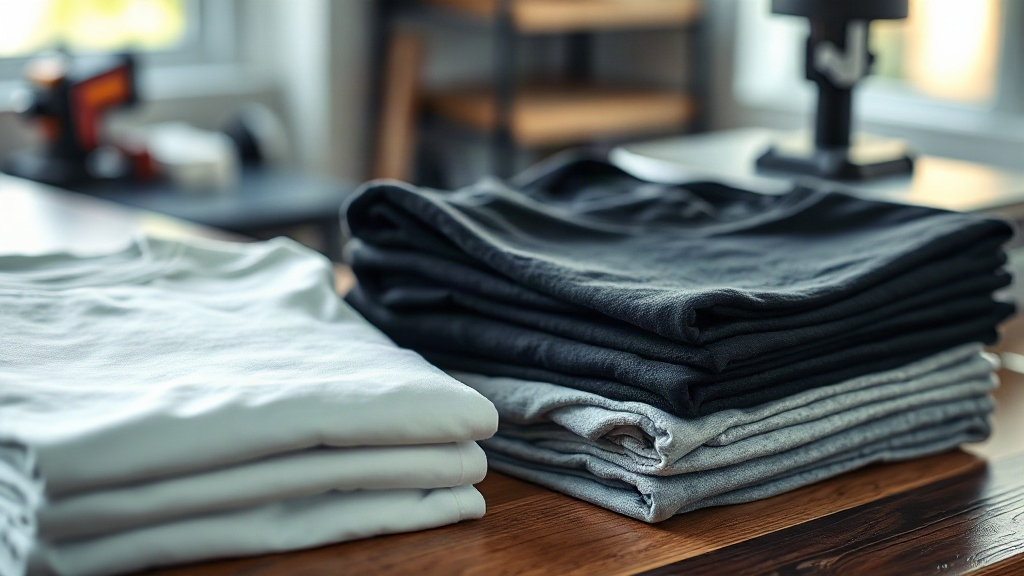
If you've ever pulled a DTF transfer from your press only to find cracked edges, dull colors, or a stiff, plastic-like feel, the problem might not be your technique. It's often the blank itself. Not all t-shirts are created equal, and when you pair DTF transfers with the wrong garment, even perfect application can't save the result. That's where smart blanks come in: garments engineered with the right fiber blend, weight, and finish to let your transfers shine. In this guide, we'll explore why smart blanks matter, how Shaka Wear has become a go-to for DTF printers, and how to choose the best blank for your next project.
What Are Smart Blanks and Why Do They Matter for DTF?
Smart blanks are apparel items specifically designed to work optimally with heat-applied transfers. They typically feature a high cotton content, tight weave, and minimal sizing or chemical finishes that can interfere with adhesion. Unlike ordinary blanks, smart blanks are tested for compatibility with DTF, DTG, and screen printing, ensuring consistent results across production runs. For DTF, the blank's fiber composition is critical: polyester and blends can cause dye migration, while rough, loose-knit fabrics lead to poor transfer penetration. Smart blanks eliminate much of the guesswork, giving you a reliable canvas every time.
The Science Behind Fabric and Transfer Adhesion
When you press a DTF transfer, the thermoplastic adhesive must melt and flow into the fabric's fibers. On 100% cotton, this creates a mechanical bond that's both durable and flexible. On synthetics, the adhesive may not adhere as well, and the heat can activate dyes in the fabric, causing them to sublimate into the transfer. Smart blanks are often made from ring-spun cotton or cotton-rich blends, which offer a balance of softness and stability. Additionally, smart blanks undergo less mercerizing or silicone finishing, which can leave a residue that prevents proper bonding.
Smart Blanks vs. Regular Blanks: A Quick Comparison
- Fiber content: Smart blanks are usually 100% cotton or high-cotton blends; regular blanks may be 50/50 or 100% polyester.
- Surface smoothness: Smart blanks have a tighter, smoother weave for better transfer detail.
- Shrinkage: Smart blanks are pre-shrunk or have low shrinkage rates, reducing post-press distortion.
- Cost: Smart blanks may cost slightly more, but they reduce waste and reprints, saving money long-term.
Why Shaka Wear Is a Top Choice for DTF Printing
Shaka Wear has earned a reputation among DTF printers for its consistent quality and fabric blends that accept transfers beautifully. Their heavyweight cotton tees, like the Shaka Wear Max Heavyweight, provide a smooth, tight surface that holds fine details, from small text to intricate gradients. The brand's commitment to using combed ring-spun cotton means fewer stray fibers and a softer hand feel, which translates to transfers that look and feel integrated into the garment. Many printers report that Shaka Wear tees require less pressure and shorter dwell times, speeding up production without sacrificing durability.
Key Shaka Wear Styles for DTF
Not all Shaka Wear styles are equal for DTF. Here are three that consistently perform well:
- Shaka Wear Max Heavyweight Tee: 7.5 oz, 100% cotton, ideal for bold, opaque transfers. Its heavyweight construction minimizes press marks.
- Shaka Wear Active Tee: 5.5 oz, 100% cotton, lighter weight for retail-ready softness. Works great with fine-line DTF designs.
- Shaka Wear Hoodie: 10 oz fleece with cotton/poly blend. Perfect for large back prints, but pre-test for dye migration on darker colors.
How Shaka Wear Enhances DTF Transfer Durability
The tight knit of Shaka Wear fabrics prevents the transfer from sinking too deeply, which can cause a stiff feel. Instead, the adhesive bonds to the surface fibers, allowing the print to stretch with the garment without cracking. In wash tests, DTF transfers on Shaka Wear tees often outlast those on generic blanks, maintaining color vibrancy after 50+ washes when properly applied. This durability is crucial for customer satisfaction and repeat business.
Choosing the Right Smart Blank for Your DTF Project
Selecting a blank isn't just about brand; it's about matching the garment to the design and end-use. Here's what to consider:
Fabric Content and Color
For white or light-colored transfers, 100% cotton is best. For dark garments, ensure the blank is dye-migration resistant, or use a DTF transfer with a white underbase. Smart blanks often specify whether they're suitable for sublimation-prone inks. Always test a sample before a full run.
Weight and Weave
Heavier fabrics (6 oz and up) provide a premium feel and hide imperfections. Lighter fabrics (4-5 oz) are cooler and more comfortable but may require lower press pressure to avoid press marks. The weave should be tight enough that you can't see individual yarns when held to light.
Pre-Treatment and Handling
Some smart blanks come pre-treated for DTG, but DTF doesn't require pre-treatment. However, if the blank has a stain-repellent finish, it can block adhesion. Look for blanks labeled "DTF-ready" or "transfer-friendly."
Step-by-Step: Applying DTF Transfers to Smart Blanks
Even with the best blank, technique matters. Follow these steps for optimal results:
- Pre-press the garment: 5-7 seconds to remove moisture and wrinkles.
- Position the transfer: Place it with the adhesive side down.
- Press: 300-325°F for 10-15 seconds at medium pressure (40-60 psi).
- Peel: Cold peel for best detail; hot peel for faster production.
- Post-press: 5-10 seconds with a cover sheet for extra durability.
Always check the transfer manufacturer's recommendations, as films vary.
Common Mistakes When Using DTF Transfers on Blanks
Even seasoned printers slip up. Avoid these pitfalls:
- Using fabric softener: It leaves a residue that prevents adhesion.
- Over-pressing: Too much heat can scorch the fabric or cause the transfer to become brittle.
- Ignoring dye migration: On polyester blends, dyes can bleed into the transfer over time. Use a low-bleed transfer or barrier.
- Skipping the test: Always test on a scrap garment before a large order.
Frequently Asked Questions
What are smart blanks and why are they important for DTF transfers?
Smart blanks are garments designed with fabrics and finishes that optimize heat-transfer adhesion. They ensure vibrant colors, durable prints, and reduced failure rates compared to generic blanks.
Can I use DTF transfers on 100% polyester Shaka Wear garments?
Yes, but you must use a low-bleed DTF transfer or a dye-blocking underbase. Polyester can cause dye migration, so test first. Shaka Wear offers polyester blends; check product specs for DTF compatibility.
How do I prevent cracking on DTF transfers after washing?
Wash inside out in cold water, avoid fabric softener, and tumble dry low. Proper application pressure and post-pressing also improve durability. Using smart blanks with high cotton content reduces cracking.
Are Shaka Wear blanks more expensive than other brands?
Shaka Wear is competitively priced for its quality. While the upfront cost may be slightly higher than budget blanks, the reduced waste and customer satisfaction often justify the investment.
What's the best DTF transfer temperature for Shaka Wear tees?
Generally, 300-325°F for 10-15 seconds at medium pressure. Always follow your transfer supplier's guidelines and test on a sample first.