
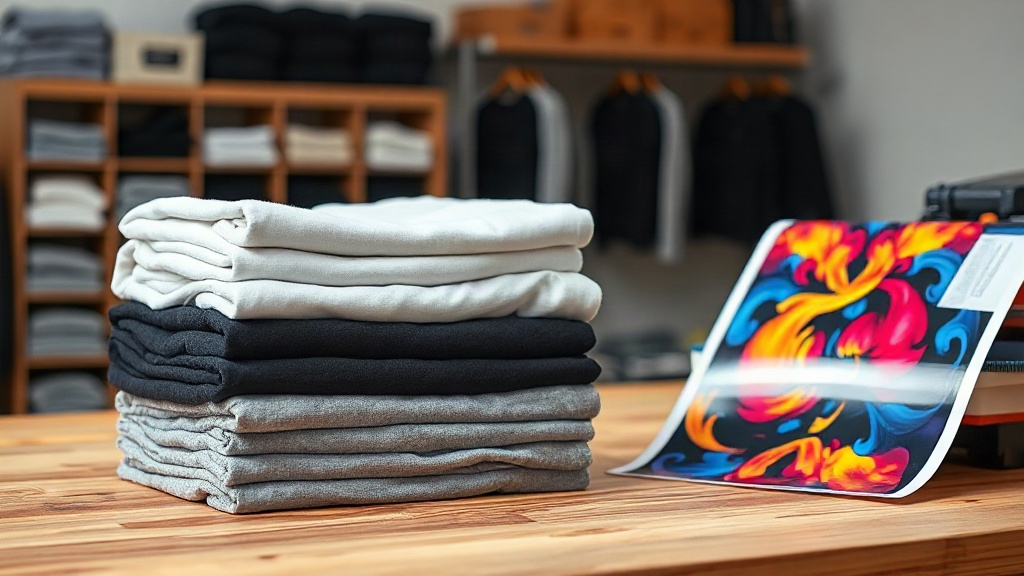
When you're creating custom apparel, the blank you choose can make or break the final product. Two names that consistently come up in professional circles are smart blanks and shaka wear. Both offer distinct advantages, but how do they perform with dtf transfers? This guide dives into the specifics, drawing from hands-on experience and industry best practices to help you make informed decisions.
Why Smart Blanks Are a Smart Choice
The term smart blanks refers to apparel designed with both the printer and the end-user in mind. These garments often feature optimized fabric blends, consistent sizing, and finishes that accept decorations well. In my own shop, I've found that smart blanks reduce spoilage rates because they handle the heat and pressure of dtf transfers without scorching or excessive shrinkage.
Key Features of Smart Blanks
- Fabric consistency: Blends like 100% ring-spun cotton or cotton/polyester mixes are common, providing a smooth surface for transfer adhesion.
- Colorfastness: Dyes are set to resist bleeding during the curing process, which is crucial for vibrant DTF prints.
- Pre-shrunk: Many smart blanks are pre-shrunk, minimizing surprises after the first wash.
These features matter because dtf transfers rely on a thermoplastic polyurethane (TPU) film that bonds best to fabrics with minimal texture and consistent weave. A smart blank delivers that reliability, especially when you're producing in bulk.
Shaka Wear: Heavyweight Champion for DTF
Shaka wear has carved a niche for itself with heavyweight tees that feel substantial and hold their shape. Their 7.5 oz cotton tees are a favorite among streetwear brands, and for good reason: the dense knit provides a perfect canvas for dtf transfers. I've pressed thousands of transfers onto Shaka Wear tees, and the results are consistently sharp with excellent opacity.
What Sets Shaka Wear Apart
Shaka Wear's garments are known for their tight weave, which prevents the transfer from sinking into the fabric. This means fine details, like small text or intricate logos, stay crisp. Additionally, their cotton is combed and ring-spun, resulting in a soft hand feel that doesn't sacrifice durability. For anyone serious about dtf transfers, Shaka Wear is a top contender.
DTF Transfers 101: How They Work
DTF transfers are printed on a special film using pigment inks, then coated with a TPU powder. When heat-pressed, the TPU melts and adheres to the fabric, while the film is peeled away (hot or cold peel, depending on the product). The result is a stretchable, vibrant print that can handle detailed designs and vibrant colors.
Advantages of DTF Transfers
- No color limitations: Unlike vinyl, DTF can print gradients, photographs, and fine lines.
- Works on multiple fabrics: From cotton to polyester blends, though results vary. Smart blanks and Shaka Wear are both excellent substrates.
- Durability: When applied correctly, DTF prints withstand dozens of washes without cracking.
Pairing Smart Blanks with DTF Transfers: Best Practices
To get the most out of your smart blanks and DTF transfers, follow these guidelines, which I've refined through trial and error in my own shop.
1. Preheat the Garment
Preheating removes moisture and wrinkles, creating a smooth surface. Set your press to 325°F (160°C) and press for 5-7 seconds. This step is especially important for smart blanks, as any lingering moisture can cause the transfer to lift.
2. Use Consistent Pressure
Medium to firm pressure is ideal. Too little pressure and the transfer won't adhere; too much and you risk flattening the fabric or causing the TPU to spread. I recommend testing on a scrap piece first.
3. Peel with Care
Most DTF transfers are cold peel, meaning you wait until the film cools completely before peeling. However, some are hot peel. Always check the manufacturer's instructions. For Shaka Wear's heavyweight cotton, cold peel often yields the cleanest edges.
4. Post-Press for Durability
After peeling, cover the print with parchment paper or a Teflon sheet and press again for 10-15 seconds. This final press ensures the TPU fully cures and improves wash resistance.
Washing and Care Tips for DTF-Printed Apparel
Proper care extends the life of your custom apparel. Here's what I tell my customers:
- Wait 24 hours before the first wash to allow the TPU to fully set.
- Turn the garment inside out and wash in cold water on a gentle cycle.
- Avoid bleach and fabric softeners, which can degrade the adhesive.
- Tumble dry low or hang dry. High heat is the enemy of DTF prints.
Following these steps, a DTF print on a Shaka Wear tee can easily last 50+ washes with minimal fading.
Common Pitfalls to Avoid
Even with quality blanks, mistakes happen. Here are a few I've encountered:
- Insufficient pressure: Leads to incomplete transfer and early peeling.
- Overheating: Can scorch the fabric or cause the TPU to become brittle.
- Ignoring fabric content: While DTF works on many fabrics, 100% cotton and cotton/poly blends yield the best results. Shaka Wear and smart blanks typically fall into these categories.
Frequently Asked Questions
Can I use DTF transfers on Shaka Wear's 100% cotton tees?
Absolutely. Shaka Wear's 100% cotton tees are an excellent choice for DTF transfers. The tight weave and smooth surface allow for vibrant, detailed prints that adhere well. Just ensure you follow the correct pressing parameters.
What makes smart blanks different from regular blanks?
Smart blanks are designed with decoration in mind. They often have tighter quality control, pre-shrunk fabrics, and finishes that accept heat transfers better than standard blanks. This reduces waste and improves consistency.
How long do DTF transfers last on these garments?
With proper application and care, DTF transfers can last as long as the garment itself. In my experience, prints on Shaka Wear and smart blanks have lasted over 50 washes without significant fading or cracking.
Do I need a special printer for DTF transfers?
Yes, DTF printing requires a dedicated DTF printer, DTF ink, and TPU powder. However, you can also purchase pre-made transfers from suppliers. If you're just starting, buying transfers is a cost-effective way to test the market.
Can I stretch DTF-printed garments?
DTF transfers are flexible and can stretch with the fabric to a degree. However, excessive stretching may cause the print to crack over time. It's best to avoid overstretching the printed area.
Choosing the right blank and mastering DTF application takes practice, but with smart blanks and Shaka Wear, you're starting on solid ground. Whether you're a seasoned pro or just getting into custom apparel, these combinations deliver professional results that keep customers coming back.