
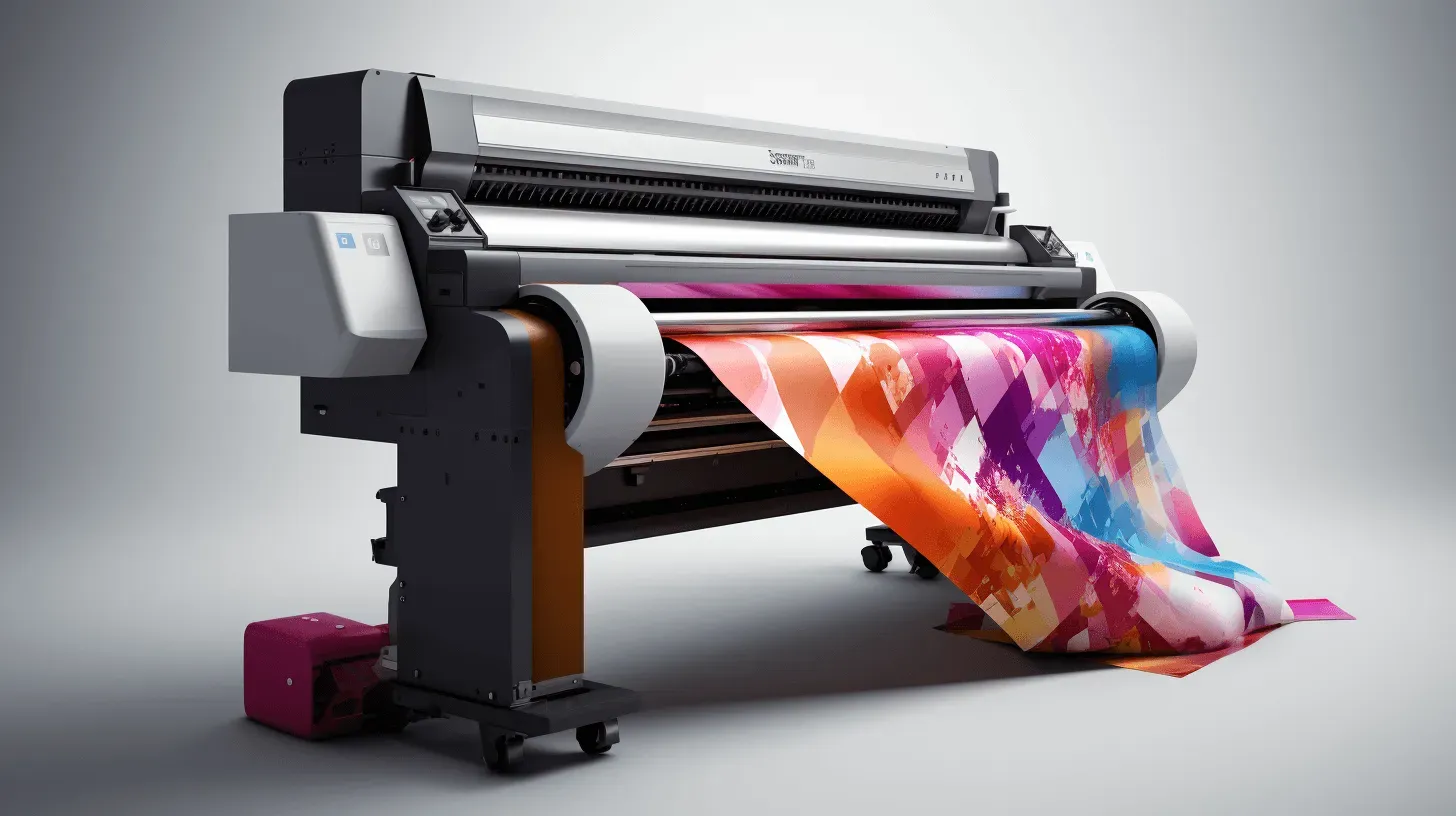
DTF printing, or Direct-to-Film printing, is revolutionizing the world of custom apparel printing with its innovative approach and impressive results. This versatile process allows users to print intricate designs onto transfer films that can be seamlessly applied to a variety of fabrics, including cotton and polyester. One of the standout advantages of DTF printing is its ability to produce vibrant, high-quality prints that withstand frequent washing without fading. For both hobbyists and small businesses, understanding the DTF printing process and the essential equipment involved opens up a realm of creative possibilities. With this guide, you'll explore everything you need to know to get started in this exciting and dynamic printing technology.
In the realm of fabric decoration, Direct-to-Film (DTF) printing stands out as a cutting-edge solution for creating custom clothing and accessories. This modern method, also referred to as film-based printing, enables precise and colorful designs to be transferred onto diverse fabric types with ease. As the demand for personalized apparel rises, understanding the DTF printing mechanism, along with its benefits and necessary tools, is imperative for those eager to delve into this growing industry. Whether you're looking to enhance your product line or simply experiment with new creative ideas, exploring these innovative printing techniques can lead to remarkable results. In this guide, we will break down the essentials of DTF, ensuring that you are well-equipped to navigate this thriving market.
Understanding DTF Printing: A Comprehensive Overview
Direct-to-Film (DTF) printing represents a revolutionary method within the realm of custom apparel printing. Unlike other printing techniques, DTF allows printers to transfer designs directly onto a specialized film, which can then be effortlessly applied to various fabric types. This versatility opens up a world of opportunities for those looking to create custom t-shirts, hoodies, and other garments. The process is particularly appealing for small businesses that require both quality and efficiency in their production processes.
Moreover, the DTF printing process has emerged as a strong competitor against other methods like Direct-to-Garment (DTG) printing. DTF's ability to work on different materials, including cotton, polyester, and blends, means that businesses can cater to a broader range of customer preferences. Additionally, the vibrant colors and high-quality prints produced through DTF technology ensure that the final products are not only visually appealing but also durable, standing the test of time and numerous washes.
Essential Equipment for Starting Your DTF Printing Journey
To embark on your DTF printing adventure, equipping yourself with the right tools is crucial. The most pivotal piece of equipment you'll need is a DTF printer. These specialized printers are designed specifically to handle the unique requirements of DTF printing, ensuring that the inks and films work harmoniously to produce stunning results. Alternatively, converting an existing inkjet printer can be a cost-effective solution for beginners who wish to explore this printing method without making a significant initial investment.
In addition to a quality printer, a heat press machine is essential. This device provides the necessary heat and pressure to transfer the printed design from the film to your chosen fabric. Selecting a heat press with adjustable settings allows for precise control, which is vital for achieving consistent and high-quality prints. Other essential equipment includes DTF inks, transfer films, and adhesive powders, each playing a role in ensuring that your prints result in vibrant and long-lasting designs.
Finally, don’t overlook the importance of graphic design software. Programs like Adobe Illustrator or CorelDRAW are recommended to create and prepare your designs for printing, giving you complete creative control over your custom apparel.
The Step-by-Step DTF Printing Process Explained
Understanding the DTF printing process is essential for those looking to achieve professional results. The journey begins with design creation, where graphic design software is used to bring your ideas to life. Once your design is ready, it is printed onto the DTF transfer film using specialized inks. It is essential to ensure that your printer settings are optimized to deliver the best color quality and detail.
After the design has been printed, the next step involves sprinkling adhesive powder over the wet ink. This powder must be heat-cured using a curing oven or heat source, allowing it to create a firm bond when the printed film is pressed onto the fabric. The final pressing with a heat press solidifies the transfer, allowing your design to adhere securely to the fabric. Mastering these steps will significantly enhance your ability to produce high-quality custom apparel efficiently.
Advantages of DTF Printing for Custom Apparel
DTF printing boasts several advantages that make it an attractive option for custom apparel. One of the most significant benefits is its versatility; this method can be employed on a wide array of fabric types, including cotton, polyester, and blends. This flexibility enables businesses and individuals to create diverse designs catering to various customer preferences, which is a critical feature in the custom printing landscape.
Moreover, DTF printing is known for producing exceptionally vibrant colors. The technology facilitates high-resolution prints that stand out, making them ideal for eye-catching designs. Additionally, DTF is a cost-effective solution for small batch orders as it eliminates the need for pre-treating fabrics, which can save time and resources. This efficiency is particularly beneficial for emerging businesses looking to offer quality products without breaking the bank.
Challenges to Consider with DTF Printing
Despite its numerous advantages, DTF printing is not without its challenges. For beginners, the initial investment in DTF printing equipment can be a significant barrier. While the long-term benefits outweigh the costs, finding the budget for a specialized DTF printer, heat press, and other necessary supplies can be daunting.
Additionally, there is a learning curve associated with mastering the equipment and settings required for successful DTF printing. Factors such as printer calibration, ink types, and heat press settings play a crucial role in determining the quality of the final product. Quality control also poses a challenge, as maintaining consistency and excellence across prints can take time and practice, highlighting the importance of continuous learning in this field.
The Future of DTF Printing: Trends to Watch
The realm of DTF printing is rapidly evolving, with notable trends that indicate a bright future for this printing method. One such trend is the increasing demand for on-demand printing solutions in the custom apparel market. As more businesses seek to provide personalized products without extensive inventory, DTF printing stands out as an efficient option that can meet these needs. This shift is poised to change how companies approach garment production and design.
Technological advancements are also anticipated to improve DTF printing capabilities further. Innovations in printing speeds, ink formulations, and transfer film technology are expected to enhance productivity and print quality, enabling businesses to expand their service offerings. As the industry continues to grow, those who adopt DTF printing may find themselves at the forefront of a transformative movement in custom apparel production.
Frequently Asked Questions
What is DTF printing and how does it work?
DTF printing, or Direct-to-Film printing, is a process where designs are printed onto a special transfer film and then transferred onto fabric using heat and pressure. This technique is particularly effective for creating vibrant custom apparel, capable of being used on various materials like cotton and polyester without pre-treating them.
What equipment do I need for the DTF printing process?
To start DTF printing, you'll need a DTF printer (or a modified inkjet), a heat press machine for applying designs, DTF inks, specialized transfer film, and adhesive powder to ensure proper transfer of your prints onto fabrics.
What are the advantages of DTF printing compared to other methods?
The advantages of DTF printing include its versatility on various fabric types, vibrant color outputs that hold up well after washing, cost-effectiveness for small batch custom apparel runs, and the elimination of the need for pre-treatment, which streamlines the printing process.
Can DTF printing be used for all types of fabric?
Yes, DTF printing can be utilized on a wide range of fabrics, including cotton, polyester, and their blends, making it suitable for various custom apparel applications. This adaptability is one of the reasons why DTF printing has gained popularity.
What challenges might I face when starting with DTF printing?
Challenges in DTF printing may include the initial cost of necessary equipment, the learning curve associated with mastering the printing and heat transfer process, and maintaining quality control during production to ensure consistent results.
What is the future of DTF printing in the custom apparel market?
The future of DTF printing looks promising as the technology evolves. Expect advancements like faster printing speeds and improved inks, which will enhance the quality and efficiency of custom apparel production, solidifying DTF printing's position in the textile printing industry.
| Key Aspect | Details |
|---|---|
| What is DTF Printing? | A printing method that transfers designs from transfer films onto fabric using heat and pressure, suitable for various materials. |
| Essential Equipment | 1. DTF Printer 2. Heat Press Machine 3. DTF Ink 4. Transfer Film 5. Adhesive Powder |
| DTF Printing Process | 1. Design Creation 2. Printing on Film 3. Applying Adhesive 4. Heat Transfer onto Fabric |
| Advantages | 1. Versatile for Various Materials 2. Produces Vibrant Colors 3. Cost-Effective for Small Runs 4. No Pre-Treatment Required |
| Challenges and Considerations | 1. High Initial Equipment Cost 2. Learning Curve 3. Quality Control Issues |
| Current Trends | Growing popularity in custom apparel, with advancements expected in technology such as faster printing and improved inks. |
Summary
DTF printing is an innovative technique revolutionizing the custom apparel market. With its ability to produce vibrant colors on a variety of fabrics, DTF printing stands out as an accessible solution for individuals and small businesses aiming to create tailored garments quickly and economically. By understanding the essential equipment, the printing process, and overcoming initial challenges, newcomers can successfully explore this exciting technology. As trends continue to evolve and improve, DTF printing is poised to redefine the future of textile printing, offering endless opportunities for creative expression.