
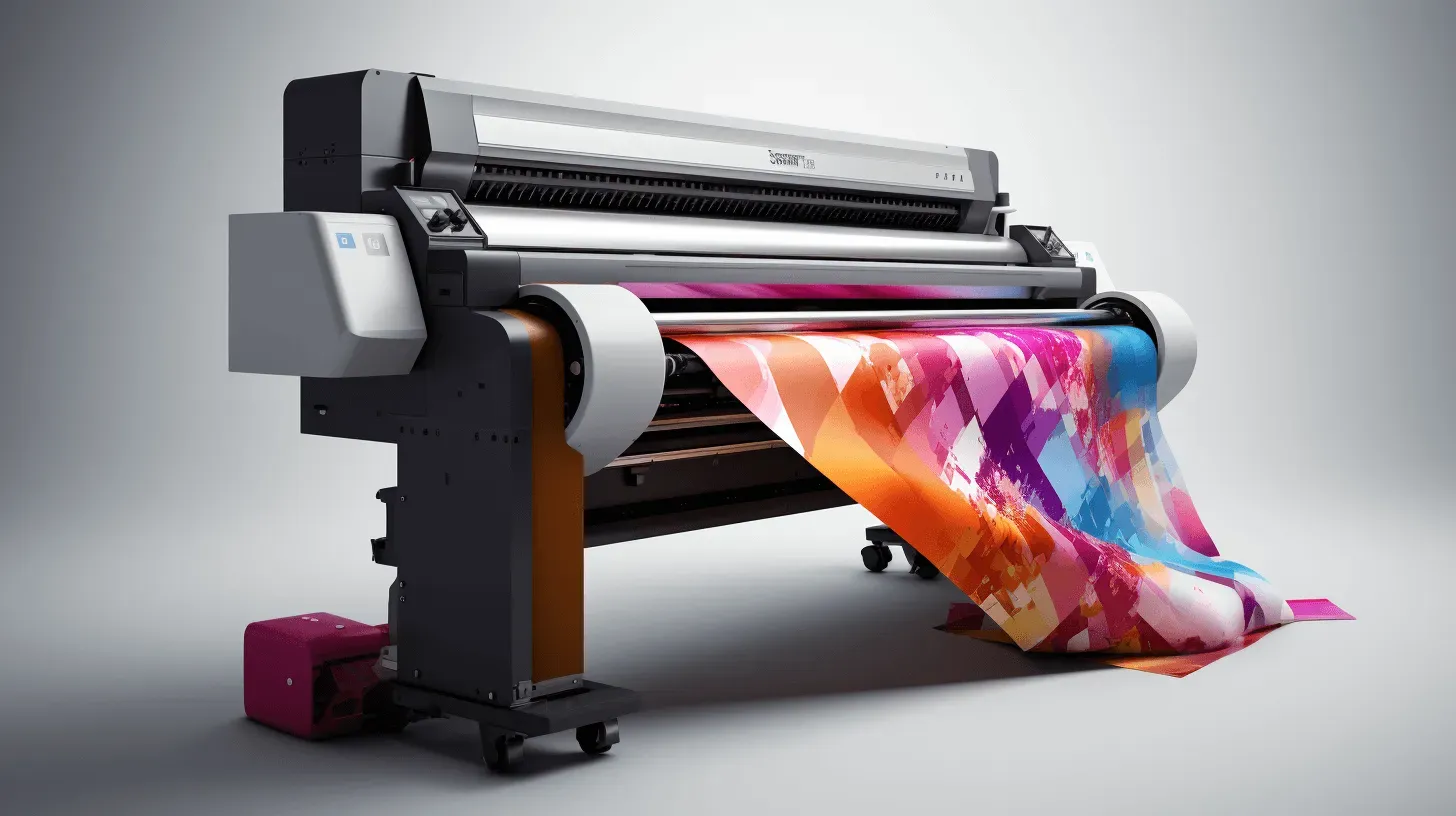
DTF printing, or Direct-to-Film printing, is transforming the landscape of custom fabric printing with its innovative approach. This advanced technique excels in producing high-quality prints on a wide array of fabrics, making it a favorite among designers and businesses alike. With its ability to create intricate, vibrant designs, DTF printing advantages include versatility across various materials, including both cotton and polyester. As the demand for sustainable fabric printing grows, this method stands out by employing eco-friendly processes and water-based inks. Join us as we explore the numerous DTF printing applications, from fashion to promotional items, that showcase its potential in the textile industry.
Also known as Direct-to-Film technology, DTF printing is revolutionizing the way textiles are printed, offering a fresh perspective on fabric design and customization. This innovative solution facilitates direct applications of vivid illustrations onto fabrics without the cumbersome requirements of standard printing practices. In an age where personalized textile creations are in high demand, the advantages of DTF printing, such as its exceptional durability and cost-effectiveness, make it a popular choice for emerging brands. Businesses are leveraging this method not just for fashion items, but also for sustainable fabric printing initiatives, reflecting a broader commitment to eco-friendly practices. As we delve deeper, we will discover the expansive applications and upcoming trends that underscore DTF's significance in modern textile production.
Understanding the Mechanics of DTF Printing
Direct-to-Film (DTF) printing operates through a fascinating technology where designs are initially printed onto a special transfer film. This film is designed to maintain the integrity of the print while it transitions onto fabric. Utilizing a heat press, the film is then applied to the fabric, resulting in detailed and vibrant prints that rival complex techniques like screen printing. The ability to print various colors and intricate patterns without the need for separate screens makes DTF an exciting option for designers not wanting to be limited by traditional printing methods.
The process starts with digital artwork, which is printed onto a film using specialized inks that can bond with fabric fibers. After printing, a hot melt adhesive is applied to ensure that the ink adheres properly upon heat transfer. This innovative method allows for greater creativity in design and ensures that the final product is both eye-catching and long-lasting. As the demand for personalized apparel increases, understanding the mechanics behind DTF printing becomes essential for anyone interested in the fabric printing industry.
Exploring the Advantages of DTF Printing
One of the most compelling advantages of DTF printing is its versatility. Unlike traditional fabric printing methods that may be limited to specific types of materials, DTF can be successfully applied on a wide range of fabrics, including cotton, polyester blends, and more. This versatility enables businesses to cater to diverse customer needs without extensive changes in their production processes. The capability to print on both light and dark textiles without pre-treatments means more options for creative expression in fashion.
Durability is another significant advantage of DTF printing. The prints are resistant to cracking, fading, and peeling, even after multiple washes, which is particularly beneficial for items like sportswear. This resilience not only ensures that the printed designs maintain their aesthetic appeal over time but also satisfies consumers looking for value in their apparel purchases. Furthermore, the cost-effective nature of DTF printing, with its lower startup costs and minimal setup requirements, makes it an attractive option for emerging brands and entrepreneurs in the custom fabric printing market.
Distinct Applications of DTF Printing
DTF printing has rapidly diversified the landscape of fabric printing, revealing its applications across multiple sectors. In the fashion industry, designers leverage DTF technology to bring bold, eye-catching patterns to life on garments. Whether it’s creating unique t-shirts, jackets, or even accessories, DTF allows for a level of detail that traditional printing methods often cannot achieve. This capability is particularly beneficial for small and independent designers who wish to offer customized items with high-quality finishes.
Moreover, promotional products have embraced DTF with open arms. Businesses utilize DTF printing to produce tailor-made merchandise for events, ranging from branded apparel to custom bags. This flexibility not only enhances brand visibility but also fosters customer engagement through personalized products. Additionally, the sportswear sector benefits tremendously from DTF's durability and comfort, ensuring that athletic garments remain functional and stylish for active wearers.
Trending DTF Innovations in Fabric Printing
As the fabric printing industry evolves, DTF technology is positioned at the forefront of several emerging trends. One notable trend is the growing shift towards digital textile printing solutions. DTF’s capabilities for quick, high-quality prints make it an appealing choice for manufacturers adapting to the increasing demand for digitalized processes. Enhanced customer preferences for speed and flexibility in delivery timelines further underscore the relevance of DTF printing in contemporary markets.
Additionally, customization is becoming a key trend in the world of e-commerce. Shoppers now seek out personalized items that reflect their individual styles. DTF printing's efficiency in producing one-off custom prints caters perfectly to this demand, allowing businesses to offer unique products with minimal lead time. As digital solutions continue to reshape the industry landscape, DTF printing stands out as a versatile method facilitating rapid customization and enhancing customer satisfaction.
Sustainability in DTF Printing Practices
The increasing emphasis on sustainable practices in the fabric printing industry is an essential aspect of DTF technology. Businesses are now more keenly aware of their environmental footprints, and DTF printing aligns well with sustainability efforts. By employing water-based inks and minimizing waste compared to traditional methods, DTF contributes to a greener approach to fabric printing. This shift not only appeals to environmentally conscious consumers but also positions brands as leaders in sustainable practices.
Moreover, DTF’s efficient production process helps reduce the energy consumption typically associated with fabric printing. This efficiency extends to both material usage and time, as DTF requires less resource-intensive setups than methods like screen printing. As a result, companies adopting DTF technology can enhance their eco-friendly initiatives while also benefiting from cost-effective production solutions that appeal to a socially responsible market.
Future Market Growth of DTF Printing
The market for DTF printing is projected to undergo substantial growth in the coming years, driven by the increasing demand for personalized and diverse fabric products. As consumer preferences shift towards custom items, more businesses are likely to explore the capabilities of DTF systems, offering enhanced options for various applications. With the rise of e-commerce and the need for quick turnaround times, DTF printing’s seamless integration of quality and speed strengthens its position in the marketplace.
In response to this growing interest, manufacturers are focusing on the development of new printer models and materials specifically tailored for DTF applications. This innovation not only enhances printing capabilities but also ensures that businesses can meet evolving customer expectations effectively. Ultimately, the considerable potential for market expansion will likely see DTF printing become a pivotal player in the fabric printing industry, continually shaping the future of custom fabric production.
Frequently Asked Questions
What is DTF printing and how does it work?
DTF printing, or Direct-to-Film printing, is a fabric printing technique where designs are printed onto a special film and then transferred to fabric using a heat press. This method allows for detailed prints and is suitable for various materials like cotton and polyester.
What are the main advantages of DTF printing?
The advantages of DTF printing include its versatility in printing on light and dark fabrics without extensive pre-treatment, durability and longevity of prints, cost-effectiveness for small batch orders, and ease of use for beginners in the fabric printing arena.
What applications benefit most from DTF printing?
DTF printing is widely used in fashion for creating unique garments, in promotional products for customized merchandise, and in sportswear where comfort and durability are essential for athletic clothing.
How does DTF printing promote sustainable fabric printing?
DTF printing promotes sustainable fabric printing by utilizing water-based inks, which are more eco-friendly compared to solvent-based alternatives. This shift aligns with the growing demand for environmentally conscious production methods in the textile industry.
Can DTF printing be used for custom fabric printing on various materials?
Yes, DTF printing is highly versatile and can be used for custom fabric printing on a variety of materials, including cotton, polyester, and blends. This flexibility allows designers to explore diverse applications and create unique products.
What trends are emerging in the DTF printing market?
Emerging trends in the DTF printing market include the growth of digital textile printing, increasing customization opportunities for personalized items, and a significant shift towards sustainable practices within the fabric printing industry.
| Key Point | Description |
|---|---|
| What is DTF Printing? | A modern technique where designs are printed on a film and transferred to fabric, offering more flexibility than traditional methods. |
| Advantages of DTF Printing | Key benefits include versatility, durability, cost-effectiveness, and ease of use. |
| Applications of DTF Printing | Used in fashion, promotional products, and sportswear due to its capability to print on various fabric types. |
| Emerging Trends | Includes growth in digital textile printing, customization opportunities, and a shift towards sustainable practices. |
| Market Growth | DTF printing is expected to grow significantly due to increasing demand for personalized and diverse textile products. |
Summary
DTF printing is revolutionizing the fabric printing industry due to its incredible versatility, making it suitable for a wide range of materials. This modern technique not only produces vibrant, detailed prints but also opens doors for various applications in fashion, promotional items, and sportswear. With its user-friendly process and growing trends towards customization and sustainability, DTF printing represents a significant advancement that caters to the evolving needs of designers and businesses alike. As we look ahead, the anticipated market growth signifies a bright future for DTF printing technology, ensuring its place at the forefront of textile innovation.