
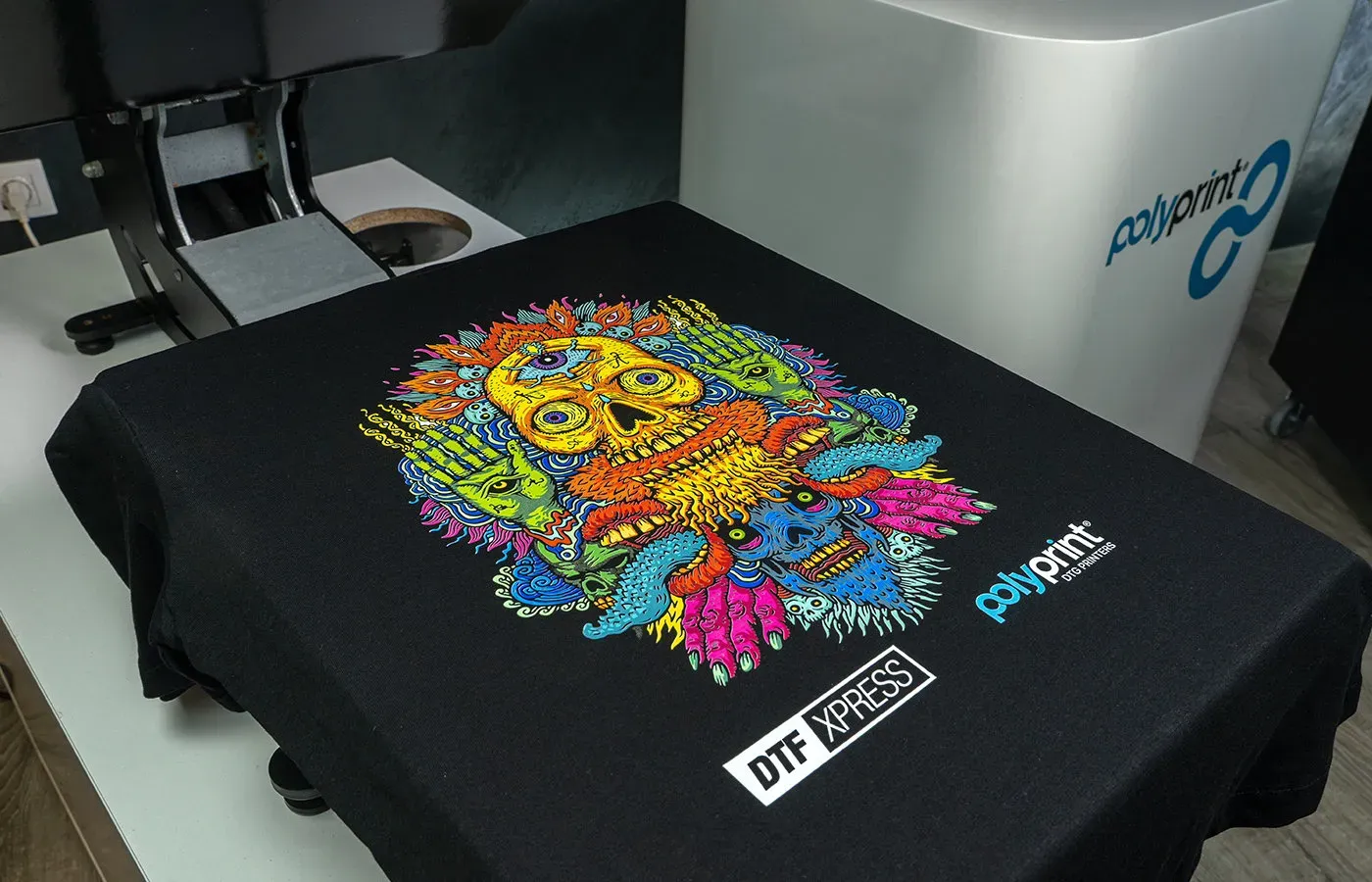
Direct-to-Film (DTF) printing is rapidly revolutionizing sustainable printing in the apparel industry, providing eco-friendly apparel solutions that cater to the growing consciousness for environmental issues. As fashion brands seek more responsible production methods, DTF technology stands out for its unique ability to create vibrant, high-quality prints while minimizing waste. This innovative printing method allows for small production runs, reducing excess fabric waste and aligning with the principles of sustainable apparel. With advancements in textile printing innovations, DTF printing not only meets the demand for customization but also champions eco-friendly practices through the use of water-based inks. In this article, we will delve into how DTF printing is shaping the future of apparel production and fostering a greener planet.
Also known as Direct-to-Film printing, this advanced technique in textile production leverages cutting-edge technology to imprint designs directly onto special films for application onto various fabrics. This method signifies a rising trend in custom apparel solutions, particularly for eco-conscious brands aiming to reduce their carbon footprint. DTF printing is a part of a broader wave of textile printing innovations that prioritize efficiency and sustainability, making it an appealing choice for businesses looking to adapt to modern consumer demands. By integrating environmentally friendly practices into this innovative printing process, brands can create products that not only look great but are also beneficial for the planet. As the industry continues to evolve, it's crucial to understand the implications and opportunities provided by these advancements in printing technology.
Understanding DTF Technology
DTF printing, or Direct-to-Film printing, harnesses the latest advancements in textile printing by allowing intricate designs to be transferred onto fabrics with precision and vibrancy. Unlike traditional methods that require extensive setup and large production runs, DTF technology facilitates smaller quantities, making it an excellent solution for custom apparel demands. The process involves printing onto a film coated with special inks, which are then heat-pressed onto the garment, ensuring durability and detail that stand out in today's competitive market.
The versatility of DTF technology is a significant advantage, as it can be applied to various fabric types, including cotton, polyester, and blends. This adaptability allows brands to explore new creative avenues and cater to diverse consumer preferences without being confined by the limitations of traditional textile methods. Moreover, as sustainability becomes a vital consideration in apparel production, DTF printing is aligning itself with eco-friendly practices effectively.
Frequently Asked Questions
What are the primary advantages of DTF printing for eco-friendly apparel?
DTF printing offers several key advantages for eco-friendly apparel, including significant waste reduction by allowing smaller production runs and using water-based inks that comply with environmental standards. This method minimizes excess inventory and fabric waste, aligning with sustainable printing practices.
How does DTF technology contribute to sustainable printing innovations?
DTF technology contributes to sustainable printing innovations by using water-based inks, which are less harmful than traditional solvent-based inks. Additionally, its capacity for small batch production reduces overproduction and waste, leading to a more eco-conscious apparel production process.
Can DTF printing be used on various fabric types for custom apparel solutions?
Yes, DTF printing can be utilized on a wide range of fabrics, including cotton, polyester, and blends, making it an excellent choice for custom apparel solutions. This versatility allows brands to create personalized items that meet diverse consumer preferences while maintaining sustainability.
What environmental benefits does DTF printing provide compared to traditional textile printing methods?
DTF printing provides environmental benefits by significantly reducing fabric waste—up to 30%—and by using water-based inks that are safer for the environment. These advantages help brands adopt more eco-friendly practices, contrasting sharply with the wasteful and harmful nature of traditional textile printing methods.
How is the DTF printing market projected to grow in terms of eco-friendly practices?
The DTF printing market is projected to grow at a compound annual growth rate of over 15% from 2023 to 2030, driven by consumer demand for personalized and sustainable apparel solutions. This growth indicates a rising trend towards eco-friendly practices within the apparel industry, allowing brands to adopt greener technologies.
What challenges does DTF printing face in becoming more sustainable?
Despite its advantages, DTF printing faces challenges such as the environmental impact of certain films and inks used in the process. The industry is responding by exploring biodegradable materials and developing more eco-friendly inks, ensuring that DTF printing continues to evolve towards a more sustainable future.
| Key Points | Details |
|---|---|
| Introduction to DTF Printing | DTF printing is an innovative, sustainable method in the apparel industry that offers eco-friendly production alternatives. |
| Efficiency and Waste Reduction | DTF printing allows for smaller production runs, reducing excess fabric waste by up to 30% compared to traditional methods. |
| Sustainable Practices | Utilizes water-based inks that are less harmful to the environment and comply with environmental standards. |
| Technological Advancements | Recent innovations have improved print quality, durability, and fabric versatility. |
| Market Growth | The DTF printing market is expected to grow at a CAGR of over 15% from 2023 to 2030. |
| Challenges in DTF Printing | Potential environmental risks from materials used, with a need for biodegradable alternatives. |
Summary
DTF printing is becoming a revolutionary method in the textile industry, perfectly aligning with the growing trend towards sustainability. It offers significant benefits such as reduced fabric waste, the use of eco-friendly materials, and high-quality prints that are gaining favor with both consumers and brands. As the demand for personalized and sustainable apparel continues to rise, DTF printing not only meets these expectations but also presents new market opportunities, particularly for small businesses. With ongoing advancements and a focus on sustainable practices, DTF printing is well-positioned to transform the apparel industry towards a more responsible future.