
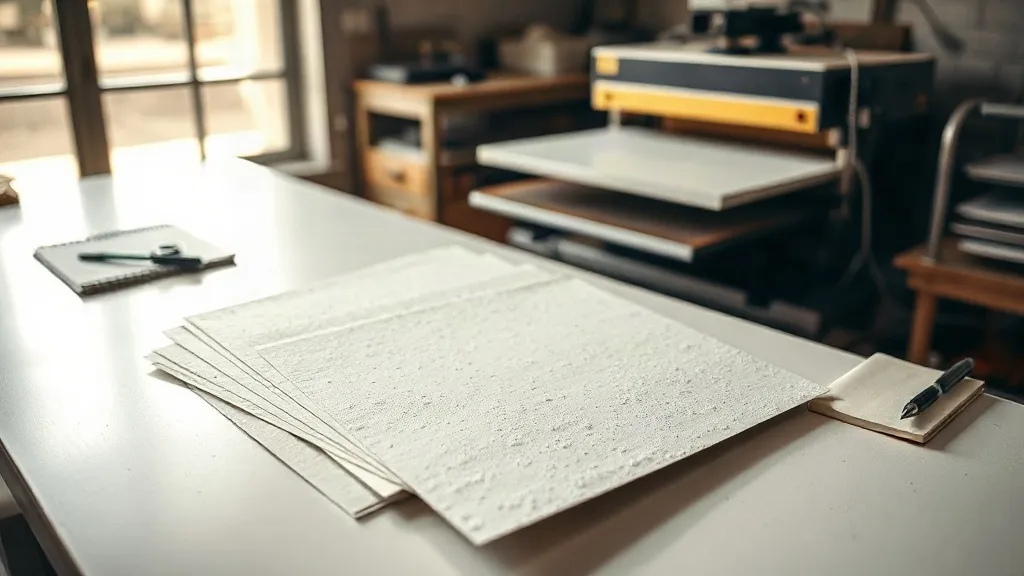
Every shop has a version of this story. A supplier sends a sample pack, the first press looks great, you place a 200-piece order, and somewhere around piece forty the prints start cracking, the edges look fuzzy, or the white base turns chalky after one wash. The sample lied, but not because the supplier cheated you. It lied because nobody inspected it properly before pressing. Sampling is not a formality you rush through on the way to a real order. It is the step where you decide whether a batch of dtf transfers is worth your reputation, and it only works if you look at the film, the powder, and the garment as three separate variables instead of one finished product.
Why a single good press proves almost nothing
One clean sample tells you that one transfer, on one shirt, with one set of settings, worked once. That is a data point, not a verdict. Production problems rarely show up on the first press because the first press gets your full attention: the shirt is fresh, the press is at temperature, you watch the peel like a hawk. The failures appear later, when you are pressing forty shirts an hour and the variables drift.
A useful sample test deliberately introduces the conditions of a busy day. Press the same design on two different blanks. Press one at your normal dwell time and one ten seconds shorter. Wash one immediately and leave one on the shelf for a week before washing. If all four outcomes look the same, you have a supplier worth keeping. If they diverge, you have found the exact variable that will bite you at scale, and you found it for the price of a sample instead of a full order.
Inspect the film before it ever touches a press
Most quality problems are visible on the sheet if you know where to look. Lay the transfer on a clean white surface under neutral light and work through these checks:
- Ink density: Hold the film up to a window. Colors should look solid and opaque, not washed out. Thin ink shows as a grayish haze in whites and pale tints.
- Edge definition: Fine text and thin strokes should be crisp. Fuzzy or bleeding edges usually mean the printer laid down too much ink or the film absorbed moisture.
- Powder coverage: Tilt the sheet so light rakes across the surface. The powder layer should be even and matte. Bare patches, clumps, or a gritty texture in one corner point to an uneven powder application that will fail in the wash.
- Film curl: A sheet that curls at the corners has been stored in humidity. Curled film feeds badly and can shift during pressing.
- Registration: On multi-color designs, check that colors meet cleanly with no ghosting or halo. Misregistration on the sample will only get worse on a large run.
Do this check on three or four sheets from the same pack, not just the top one. The top sheet has been pressed flat by the stack; problems often hide in the middle.
Test the powder bond, not just the print
The powder is the adhesive, and it is the part of a dtf transfer that customers never see but always feel. A print can look perfect on the shirt and still fail because the adhesive layer was under-cured or unevenly applied. The cheapest test is a stretch and scratch check on a scrap garment.
Press a small test patch, let it cool fully, then stretch the fabric firmly in both directions. A healthy bond stretches with the garment and springs back. A weak bond shows hairline cracks along the stretch line or lifts slightly at the edges. Next, scratch a corner with a fingernail. If powder flakes off in visible specks, the adhesive did not fully melt into the fabric, and that transfer will not survive ten washes no matter how good the press settings are.
If you want a harder number, run a wash test on a sacrificial shirt: one warm cycle with detergent, tumble dry low, then inspect. One wash will not predict a year of wear, but it will expose the worst offenders immediately. Shops that skip this step are essentially asking customers to run the test for them.
Match the transfer to the blank, not the other way around
Two shirts from different suppliers can behave completely differently under the same transfer. A 100% cotton tee and a 50/50 blend absorb adhesive differently, and a garment with a tight weave holds fine detail better than a loose knit. When you sample, press the same design on every blank you plan to sell. Note which combinations produce sharp detail and which ones let the print sink into the texture.
Fabric prep matters as much as the blank itself. A quick press to remove moisture before laying down the transfer makes a measurable difference on cotton, especially in humid weather. Skipping that step is one of the most common reasons a sample that looked fine in the shop looks dull on a customer's shirt a month later.
Keep a sample log so history does the work for you
Memory is a poor quality control system. A simple log turns every sample into reusable knowledge: supplier, film batch, press temperature, dwell time, pressure, peel type, blank brand, and the result after one wash. After a few months you will know which supplier's film curls in July, which blank needs an extra pre-press, and which powder holds up on stretch fabrics.
This log also protects you during a dispute. If a batch fails, you can point to the exact conditions that worked before and show the difference. Suppliers respond very differently to a shop that can describe a failure precisely than to one that simply says the transfers were bad.
When you are sourcing new suppliers or comparing options, ordering small and testing thoroughly beats ordering big and hoping. If you are still narrowing down where to buy, searching for dtf transfers near me can surface local printers who let you inspect a sample in person, which is often worth more than a slightly lower unit price from a distant vendor.
Frequently asked questions
How many transfers should I test before placing a full order?
Three to five sheets from the middle of the pack is a reasonable minimum, pressed on at least two different blanks. That is enough to catch uneven powder, humidity damage, and registration problems without burning a whole afternoon.
Can I tell if a transfer is under-cured before washing it?
Often yes. Stretch and scratch tests on a cooled print reveal weak adhesive in seconds. If the print cracks along the stretch line or powder flakes off under a fingernail, the bond is not fully formed and a wash will confirm it quickly.
Why does my sample look great but production prints look dull?
The usual culprits are moisture in the garment, a press that has drifted in temperature, or film that absorbed humidity between sampling and production. A pre-press on the garment and a quick temperature check with an infrared thermometer will catch most of these.
Does the blank brand really change how a transfer performs?
Yes, noticeably. Weave tightness, fiber content, and fabric finish all affect how the adhesive bonds and how much detail survives. Always sample on the exact blanks you plan to sell, not a similar shirt from a different supplier.
What is the fastest way to build a reliable supplier relationship?
Order small, test consistently, and keep written records of what worked. Suppliers take a shop seriously when it can describe a failure with specifics like batch, temperature, and wash result, and that same record keeps your own production stable as you scale.